A new national poll finds most voters now see childcare, elder care and equal pay as essential responses to rising living costs, with many demanding concrete policy action within two years.
Childcare, elder care, and equal pay have moved from the sidelines to the center of the affordability debate. A new national poll shows that most likely voters now see these issues as key to addressing the country's rising cost of living-and they want lawmakers to act, not just discuss. This shift has also come up in recent Farmington City Council meetings, where residents have raised concerns about affordability and family support during public comments.
Nearly 60% of respondents told the Equal Rights Access Fund that the current economy isn't working for them. More than 80% said they've had to make difficult choices, like cutting back on spending, dipping into savings, or carrying credit card debt to keep up with higher prices. These numbers show that what were once called "women's issues" are now seen as central to household finances.
Policy Demands and Political Stakes
The survey found that over 70% of voters want state and federal leaders to make real progress on affordability within two years. Policies like up to 12 weeks of paid family and medical leave are now on voters' minds. The poll also found that voters are three times more likely to support candidates who focus on lowering healthcare costs or raising wages.
Recent U.S. Census Bureau data shows that in 2025, the median income for full-time, year-round working women rose by 3.2%. The gender pay gap narrowed, with women earning 83.9% of what men earn, up from 80.6% the year before. Still, the gap remains, and many families-including those in Farmington and Farmington Hills-continue to struggle with affordability. The official poverty rate in the U.S. dropped to 10.2% in 2025, but 34.5 million people still lived below the poverty line, set at $32,970 for a family of four that year.
Noreen Farrell, president and CEO of the Equal Rights Access Fund, said the findings show that women's economic security is now seen as a core part of family financial health. Local advocates have made similar points at recent Farmington Public Schools board meetings, where the effects of rising costs on students and caregivers have come up for discussion.
Everyday Impact on Families
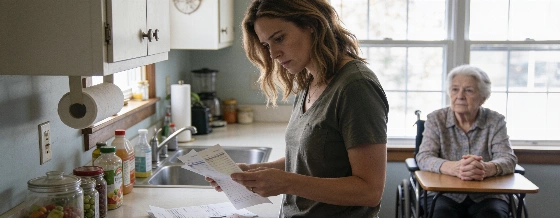
For many, these policy debates are personal. Valerie Holman, a single mother and caregiver in Farmington Hills, Michigan, described the strain of supporting her mother, a retired teacher with Parkinson's disease. Holman said Medicaid rules force her mother to spend down assets and sell her home to qualify for home healthcare, a process she called overwhelming and unfair. She also said her grocery bills have doubled in a year and she now drives farther each week to find affordable gas.
Holman's story shows how caregiving often falls to women, adding both financial and emotional stress. She wants more political candidates to address these realities directly. The City of Farmington Hills Human Services Commission has also seen more requests for help from caregivers and seniors, a trend that matches what's happening across Oakland County.
Broader Economic Context
The poll's results come as many Americans continue to deal with inflation and wages that haven't kept up. The call for real policy action echoes concerns in other areas, such as the difficulties low-income residents face in accessing new infrastructure, as reported earlier by Farmington Voice.
The Equal Rights Access Fund says voters are clear: solutions to the affordability crisis need to include support for caregiving and pay equity, not just the usual economic fixes. Lawmakers are under growing pressure to move beyond campaign promises and address the daily realities of American families. In Michigan, recent legislative sessions have included proposals for expanded paid family leave, similar to new laws in Virginia and Massachusetts, where benefits can last up to 12 weeks and provide significant weekly support.
With another election cycle approaching, the expectation for real progress on these issues now cuts across party lines and demographics. Economic security for families-and the policies that support it-are set to remain at the center of the national conversation.