
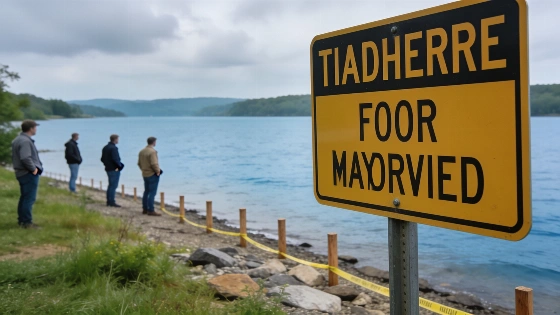
WSSC Water has issued a month-long advisory urging people and pets to avoid direct contact with Triadelphia Reservoir water after harmful algal blooms were detected. Recreation remains open, but extra precautions are recommended for all visitors.
Residents and visitors to the Triadelphia Reservoir in Montgomery and Howard counties, Maryland, are being urged to avoid direct contact with the water after WSSC Water detected high levels of harmful blue-green algae. The advisory, which began this week, is expected to remain in effect for at least one month as officials monitor water quality conditions.
The harmful algal blooms, also known as cyanobacteria, can produce toxins that pose serious health risks to both people and animals. According to the U.S. Environmental Protection Agency, exposure to these toxins can cause skin irritation, rashes, and, if ingested, more severe illness or even death in rare cases. WSSC Water emphasized that while the reservoir is a source of drinking water, the treated water continues to meet all Safe Drinking Water Act standards and remains safe for consumption.
Precautions for Recreation and Pets
Although the Triadelphia Reservoir remains open for recreation, including boating and fishing, WSSC Water is advising all visitors to take extra precautions. Any skin that comes into contact with reservoir water should be rinsed thoroughly with clean drinking water as soon as possible. Residents are also reminded not to allow pets to swim in or drink from the reservoir, a rule that is always in effect under WSSC Water watershed regulations.
For those fishing in the reservoir, officials recommend avoiding consumption of fish livers or digestive organs, as toxins can accumulate in these tissues. Fish fillets should be washed thoroughly with drinking water before being prepared or eaten. The advisory does not restrict access to recreation areas, but heightened awareness and caution are strongly encouraged during this period.
Additional Advisory at T. Howard Duckett Reservoir
WSSC Water also noted that a similar water contact advisory remains in effect for the T. Howard Duckett Reservoir, where high concentrations of blue-green algae were previously detected. That advisory, issued on July 21, is also expected to last at least one month as monitoring continues.
Anyone who believes they, their pet, or someone they know has come into contact with or ingested water from either reservoir should contact their local county health department. Contact numbers include Prince George's County at 301-883-4748, Howard County at 410-313-1773, and Montgomery County at 240-777-0311.
Understanding Harmful Algal Blooms
Harmful algal blooms are a recurring concern in bodies of water across the United States, especially during warmer months. These blooms can develop rapidly and are often triggered by a combination of high temperatures, sunlight, and nutrient runoff. Local water utilities like WSSC Water routinely monitor reservoirs for signs of cyanobacteria and issue advisories when toxin levels rise above safe thresholds.
WSSC Water operates the Patuxent Water Filtration Plant, which treats water from the Triadelphia Reservoir before it enters the public supply. The agency has stated that it will continue to closely monitor water quality and provide updates as conditions change. Residents are encouraged to stay informed through official channels and to follow all posted advisories for their safety and the safety of their pets.