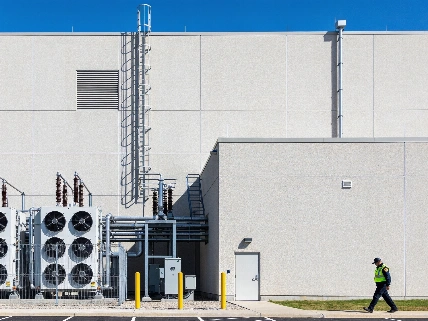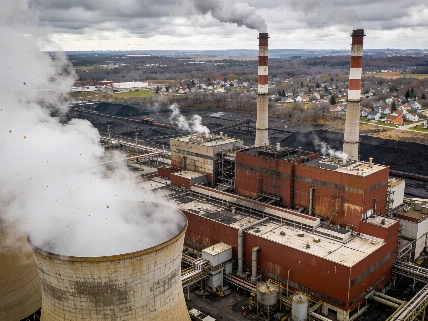

TeraWulf plans to build a 482-megawatt data center at a former Hancock County aluminum smelter, promising to follow Kentucky's new requirements on taxes, transparency, and environmental compliance as state regulators review its energy contract.
TeraWulf, a developer aiming to build a large-scale data center in Hancock County, Kentucky, has formally committed to meeting new state requirements on taxes, environmental compliance, and community engagement as part of its proposed project at the site of a shuttered aluminum smelter.
The company's commitment was outlined in an energy plan filed with the Kentucky Public Service Commission on August 14. The plan responds to an executive order from Governor Andy Beshear, which sets out protections intended to address the potential impacts of data centers on local communities and the state's energy grid.
State Requirements and Local Impact
Governor Beshear's executive order requires data center developers to pay their full share of state and local taxes, comply with environmental laws, and engage in transparent discussions with affected communities. The order also mandates that developers submit an energy plan to the Kentucky Energy and Environment Cabinet, detailing how they will source electricity and protect residential ratepayers from additional costs.
TeraWulf's plan states that the company will invest billions of dollars to construct a 482-megawatt hyperscale data center at the former Century Aluminum smelter, which closed in 2022. The project is expected to generate tens of millions of dollars in local tax revenue and provide economic benefits to Hancock County and its school system. The company also intends to build another data center at an industrial park in Eastern Kentucky, with plans to expand that facility.
Regulatory Review and Community Concerns
The Kentucky Public Service Commission is currently reviewing a proposed special electricity contract between TeraWulf and Big Rivers Electric Corporation for the Hancock County project. Local residents have raised concerns about the potential environmental effects and the impact on the community's energy costs. According to the company's filing, TeraWulf plans to source electricity from the MISO regional energy grid through a structured contract with Big Rivers Electric Corporation.
In a letter included with TeraWulf's filing, Hancock County Judge-Executive Johnny Roberts wrote that the company has demonstrated transparency and genuine engagement with the community. He expressed confidence in TeraWulf's approach and welcomed the potential economic benefits for the area.
Questions About Oversight and Economic Analysis
Some experts have questioned the legal strength of the governor's executive order, noting that it may lack enforceability without supporting state legislation. In a comment filed with the Public Service Commission, an attorney for the Kentucky Resources Council and Kentuckians for the Commonwealth raised concerns about the absence of an independent economic analysis for the project and asked regulators to examine how the costs of regional electricity transmission upgrades would be allocated.
As communities across the country weigh the benefits and challenges of new data center developments, similar questions about transparency, oversight, and local impact have emerged elsewhere. For example, a recent review of data center grid connections in Texas highlighted the need for clear policies and community protections as demand for digital infrastructure grows.
Next Steps for the Hancock County Project
The Kentucky Public Service Commission will decide whether to approve the special electricity contract for TeraWulf's Hancock County data center. The company has submitted its required energy plan to both the commission and the Kentucky Energy and Environment Cabinet. If approved, the project would move forward at the former smelter site, with construction and economic activity expected to follow.
Data center projects of this scale typically require multiple layers of regulatory review, including environmental permitting, utility agreements, and local government coordination. The outcome of the commission's decision will determine whether TeraWulf's plans proceed and how the company's commitments to taxes, transparency, and environmental compliance are put into practice in Hancock County.