Despite strict religious codes and the presence of morality police, Sokoto, Nigeria, is seeing a resurgence of nightlife, offering residents a social escape even as the region faces ongoing security challenges and social divisions.
In Sokoto, a deeply conservative state in northern Nigeria known as the "seat of the caliphate," nightlife is making a surprising comeback. Clubs and bars are drawing crowds late into the night, even as the region remains under the watchful eye of morality police and faces persistent security threats from armed groups.
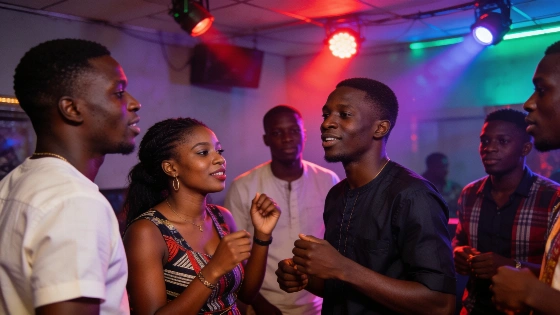
On a recent weekend, strobe lights and Afrobeats music filled a nightclub in Sokoto city, where patrons gathered to dance and socialize. The scene stands in contrast to the state's reputation for strict religious observance and enforcement of Shariah law, which includes bans on alcohol and certain forms of entertainment.
Morality Police and Social Codes
Sokoto's nightlife exists alongside the Hisbah force, a local Islamic police unit responsible for upholding public morals in several northern Nigerian states. Hisbah officers regularly patrol the city, enforcing dress codes, banning alcohol, and monitoring public behavior. The group was disbanded in Sokoto in 2017 following complaints about harsh enforcement, but was reestablished in 2024. Recently, Hisbah announced new restrictions, including a ban on DJs at events, certain haircuts, and playing music on public transportation.
Despite these measures, many residents-especially non-Muslims-continue to frequent nightclubs and bars. Some say they have had confrontations with Hisbah, but insist that nightlife is an important outlet in a region facing economic hardship and insecurity. For many, these venues offer a sense of normalcy and community that is otherwise hard to find.
Religious and Social Divisions
Sokoto's population reflects Nigeria's broader religious divide, with Muslims predominantly in the north and Christians in the south. Non-Muslims in Sokoto often find themselves subject to Hisbah's enforcement, even though the group's stated mission is to promote morality rather than strictly enforce Shariah law. The legal status of Shariah in Nigeria remains unresolved at the national level, leaving room for ongoing debate and tension.
Hisbah has faced criticism for alleged rights abuses, including public shaming and harsh punishments. The force maintains that its goal is to ensure peace and stability through moral justice, but its presence continues to spark controversy among residents and human rights advocates.
Balancing Tradition and Modern Life
Nightclubs in Sokoto have adapted to the local environment by posting lists of banned items and enforcing their own dress codes, such as turning away women wearing veils. These measures are intended to maintain a delicate balance between respecting religious traditions and providing a space for social life.
Residents say the city's nightlife has grown in recent years, offering a welcome distraction from the challenges of daily life. While security concerns and social codes remain, many in Sokoto are finding ways to carve out spaces for entertainment and connection.
Sokoto's experience highlights the complexities of life in a region where tradition, religion, and modernity intersect. As the city continues to evolve, residents and authorities alike are navigating the boundaries between public morality and personal freedom.