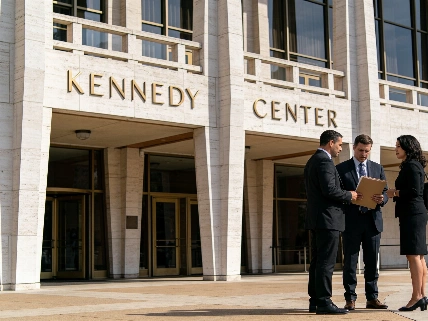
The Kennedy Center in Washington, D.C. has taken down the 'Blue' sculpture by Joel Shapiro, ending its presence on the campus after five years as board conflicts and legal battles over the institution's direction continue
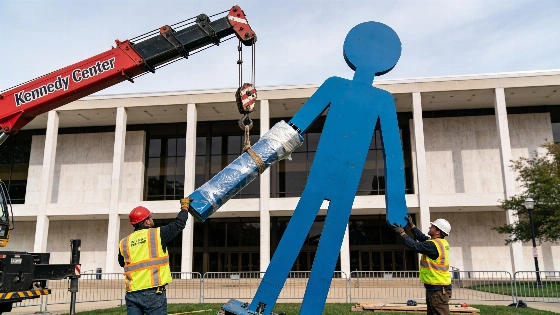
The Kennedy Center's campus looked noticeably different this week as workers dismantled the 'Blue' sculpture, a striking blue stick figure that had greeted visitors since 2019. The removal marks a visible shift at one of the nation's most prominent cultural institutions, coming as its board faces ongoing legal and political turmoil.
On Wednesday, a crane and a team in high-visibility vests carefully took apart the sculpture's limbs, wrapping each piece for protection. The process drew attention from passersby and members of local arts groups, some of whom described the scene as the 'dismemberment' of a campus icon.
Background and Board Tensions
The decision to remove 'Blue' follows years of internal conflict at the Kennedy Center. The board, which includes members aligned with former President Donald Trump, is currently engaged in a court battle over whether the president's name can be added to the institution. This dispute is part of a broader push to reshape Washington's cultural and historic landmarks, including proposals to alter the White House and build new monuments.
Installed in 2019, 'Blue' was created by sculptor Joel Shapiro, who was known for his dynamic, minimalist figures. The sculpture was positioned as if in mid-action, evoking movement and possibility. Shapiro described the work as a celebration of energy and risk, aiming to animate the Kennedy Center's public spaces. Shapiro died in 2025, and the future of 'Blue' now rests with the Joel Shapiro and Ellen Phelan Foundation, which may seek a new home for the piece.
Community Reaction and Legacy
For many in the arts community, the removal of 'Blue' is more than a change in scenery. Michael Sebastiani, a member of Hands off the Arts-a group formed to oppose recent changes at the Kennedy Center-said the sculpture had become a welcoming symbol for visitors and a focal point for events like National Dance Day. In 2019, 'Blue' served as the unofficial mascot for the celebration, drawing crowds to the Kennedy Center's REACH addition.
The Kennedy Center acknowledged the sculpture's impact in a statement, expressing gratitude to Joel Shapiro for the years 'Blue' animated the campus and connected visitors to his vision. The institution emphasized its role as a steward of Shapiro's work and its commitment to honoring his legacy, even as the sculpture leaves its grounds.
What Happens Next
With 'Blue' now removed, the Kennedy Center's outdoor landscape is set for further changes as board disputes and legal proceedings continue. The fate of the sculpture remains uncertain, but the foundation overseeing Shapiro's work may seek to reinstall it elsewhere. For now, the Kennedy Center's evolving appearance reflects deeper questions about the stewardship of public art and the influence of political agendas on cultural institutions.
The Kennedy Center's handling of 'Blue' is a clear example of how institutional priorities can shift with changes in leadership and governance. As legal battles over naming rights and the center's direction play out, the removal of a beloved artwork sends a message about the fragility of public art in the face of political maneuvering. The loss of 'Blue' is not just about aesthetics-it's a reminder that the identity of America's cultural spaces is shaped as much by boardroom decisions as by artistic vision.
The Kennedy Center, located in Washington, D.C., is a federally supported performing arts venue that hosts a wide range of music, theater, and dance events. Its board of trustees is appointed by the president and includes both political and cultural figures. Major changes to the campus or its programming often reflect broader debates about the role of public institutions in American life.