Henry Ford College and Wayne State University students facing food, housing, or financial insecurity will soon have on-campus help from United Way staff, as part of a new initiative launching this fall to keep students on track for graduation
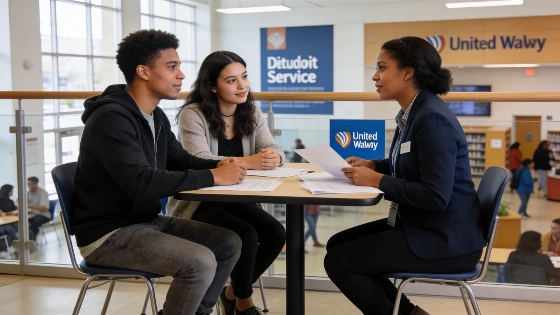
Students at Henry Ford College and Wayne State University in Detroit will have new support this fall as a pilot program launches to help those struggling with food, housing, and other basic needs. The initiative, called Open Door, will embed a United Way for Southeastern Michigan staff member on each campus to connect students with resources both on and off campus.
The program aims to address the growing challenges many college students face in meeting essential needs, which can threaten their ability to stay enrolled and complete their degrees. According to a report from Michigan's Student Basic Needs Task Force, 20% of college students in the state have experienced food insecurity, 44% have faced housing insecurity, and nearly half have unmet financial needs even after receiving financial aid.
How Open Door Will Work
Open Door will focus on students enrolled in the Detroit Promise, Detroit Reconnect, and Michigan Reconnect programs, but organizers say assistance will be available to any student in need. The United Way staff member will help students navigate available services, including food pantries, emergency funds, transportation assistance, and housing support. The goal is to make it easier for students to access help quickly, reducing the risk that financial or personal crises will derail their education.
The program is a partnership between United Way for Southeastern Michigan, the Detroit Regional Chamber, Wayne State University, and Henry Ford College. It builds on previous efforts, such as the Detroit Area Talent Fund, which distributed $1 million in emergency aid to local college students in just six months-far faster than anticipated. Most requests for help cited housing, food, transportation, child care, and educational expenses.
Statewide Efforts and Next Steps
Open Door is part of a broader push across Michigan to help more residents earn postsecondary credentials. The state has set a goal for 60% of residents to hold a degree or certificate by 2030, with the rate reaching 51.6% in 2024. Other colleges, such as Muskegon Community College and Grand Rapids Community College, have launched similar initiatives, including on-campus caseworkers and resource hubs.
To further strengthen support networks, the Michigan Department of Lifelong Education, Advancement and Potential (MiLEAP) will host a "Braiding Community Support for College Student Basic Needs" event on September 9. The event aims to bring together higher education, government, and community organizations to better coordinate services for students statewide.
Funding and Evaluation
The Kresge Foundation has awarded a $300,000 grant to the University of Michigan Youth Policy Lab, in partnership with Wayne State University's Detroit PEER, to evaluate the Open Door project through 2028. The evaluation will help determine the program's effectiveness and whether it can be expanded to other campuses in the future.
Organizers emphasize that while emergency financial aid can provide immediate relief, sustainable solutions require ongoing coordination between colleges and community organizations. By embedding resource experts on campus, Open Door aims to ensure students know where to turn before a crisis threatens their education.
Programs like Open Door reflect a growing recognition among Michigan's colleges and policymakers that addressing students' basic needs is essential for academic success. As more institutions adopt similar models, the hope is that fewer students will be forced to choose between staying in school and meeting their everyday needs.