Nine Michigan organizations have been named 2026 Child Care Champions for projects that add child care spaces, support working families, and strengthen local economies across the state.
Nine groups from across Michigan have been named 2026 Child Care Champions. This recognition marks a statewide push to tackle the ongoing shortage and high cost of child care for families and employers. The event took place in East Lansing. Independent reports from the Upjohn Institute and local news confirmed the honorees and their projects. These groups have added child care spaces, improved facilities, and built partnerships to help working parents and early childhood staff. Details are available from the Upjohn Institute.
The Michigan League for Public Policy and the 2026 Kids Count in Michigan initiative report that infant care in the state now costs an average of $10,023 per year. This puts a heavy strain on families. Only one in four can meet the federal guideline of spending less than 7% of their income on child care. The struggle to find and afford care is a major issue for families and employers in places like Farmington and Farmington Hills. Local school boards and city councils have discussed how this affects people's ability to work and the local economy.
Local projects add child care spaces
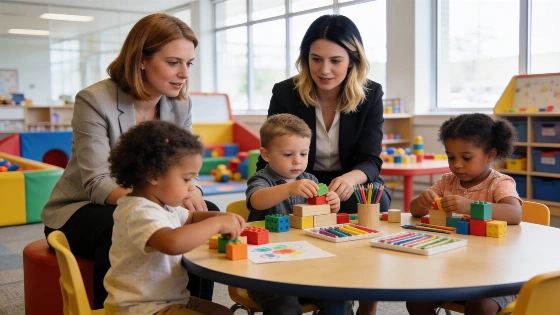
The 2026 Child Care Champions include businesses, nonprofits, local governments, and economic development groups. Their projects range from turning empty buildings into child care centers to launching employer-backed programs and reworking community spaces. The Northern Lakes Economic Alliance and Manthei Group got funding to turn a vacant church in Petoskey into Little Roots Childcare. This created 36 new licensed spots for children from six weeks to five years old. In West Michigan, Plainfield Township worked with providers, employers, and schools to make it easier for new programs to open. Two new providers are set to add about 40 licensed spaces.
Gentex Corporation and the ODC Network invested in a 43,000-square-foot nature-based early learning center in Zeeland. The center offers infant care and second-shift hours to help manufacturing workers and families with nontraditional schedules. Other honorees include the United Way of Bay County, which is redeveloping a downtown Bay City site for a center expected to serve 40 to 50 children. The Lapeer County Medical Care Facility & Suncrest Daycare covers half of employees' child care costs and puts money into facility upgrades and workforce programs. In Clinton County, Wacousta Cooperative Preschool and Grand Ledge Public Schools turned a former elementary school into Wacousta Commons, adding 33 child care spaces and 25 before- and after-school slots.
Employers and communities work together
The City of Kalamazoo treats child care as basic infrastructure. It supports small business providers with training and grants and takes part in the MI Tri-Share pilot. The Ann Arbor Area Community Foundation gave a $750,000 loan and $100,000 in grants to Apple Playschools, which expanded by 47 child care spaces and created 12 jobs. In Detroit, the Detroit Regional Partnership Healthcare Committee brought together major health care employers to find out what keeps workers with nontraditional schedules from getting care. They created a playbook for other employers to follow.
At the recognition event, the Small Business Association of Michigan gave the Child Care Business Excellence Award to Jacqueline Taylor, founder and CEO of Little Dreamers Early Learning Center in the Lansing area. Taylor's center recently grew by 3,000 square feet, adding capacity and new jobs for local families. These efforts fit with broader plans from the Michigan Department of Lifelong Education, Advancement, and Potential (MiLEAP) and are backed by Child Care Development Block Grant funding from the U.S. Department of Health and Human Services.
Statewide and regional action
Michigan's larger plan includes programs like MI Tri-Share, the Child Development and Care Scholarship, and PreK for All. The state is also investing in providers, educators, and local partnerships. These steps help parents and caregivers stay in the workforce and help employers hire and keep staff. The Farmington Public Schools board and Oakland County leaders have both stressed the need for accessible child care in recent meetings, pointing to its role in the local economy and family life.
Communities are also using targeted grants and campus-based programs. Keweenaw Bay Ojibwa Community College received $300,000 to expand evening child care for adult learners. This shows how public, private, and educational groups are working together to solve the problem. More details are available from Upper Michigan's Source.
The 2026 Child Care Champions recognition is part of a wider campaign to grow access to quality child care across Michigan. Independent coverage in the Record-Eagle and ongoing work by MiLEAP and the Upjohn Institute confirm this. The issue has also reached the federal and regional level. U.S. Representative Kristen McDonald Rivet spoke about it at a recent roundtable, showing the attention it is getting from lawmakers.
Regional Child Care Coalitions nominated the Champions, reflecting the different needs and opportunities in Michigan communities. Some groups focus on direct help for employees. Others bring together community partners or make child care part of bigger economic plans. The City of Farmington keeps a community calendar where families can find updates on meetings and child care news.
Michigan's approach to child care is now shaped by local leaders and partnerships across sectors. The 2026 Child Care Champions show that practical, community-based solutions can open up access, help families, and boost local economies. Their work is a clear example of how Michigan communities can meet urgent child care needs with creativity and teamwork.