Three Michigan school districts are offering employees and their families free access to direct primary care clinics, aiming to reduce health care costs and improve access as insurance premiums and out-of-pocket expenses continue to rise.
Three Michigan school districts are taking a new approach to rising health care costs by providing employees and their families with free access to direct primary care clinics. The initiative, led by Corunna Public Schools along with Lansing and Van Buren districts, is designed to make basic medical care more accessible while reducing expensive emergency room and urgent care visits.
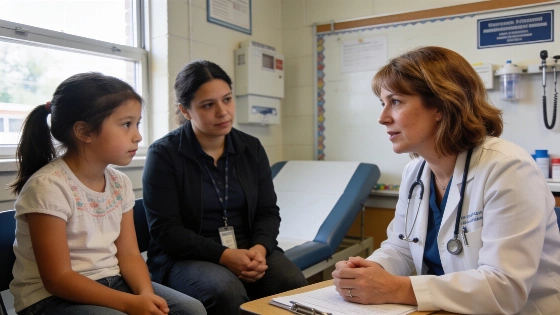
At the Corunna Plum Health clinic, located in repurposed high school classrooms, staff and their families can receive care without copays or deductibles. On a recent day, 13 patients were seen for a range of issues, from minor injuries to chronic conditions, and left with nearly $550 worth of medications at no cost. Appointments are scheduled for at least 30 minutes, allowing for more thorough consultations than many traditional practices.
How the Program Works
The districts have partnered with Plum Health, a Detroit-based provider specializing in direct primary care. Instead of billing insurance, the districts pay a monthly fee-$90 per employee in Corunna's case-for access to the clinic, which operates two days a week. This fee covers visits for employees and their families, regardless of their insurance status, and includes deeply discounted medications supplied through the clinic.
About 110 Corunna staff members are insured through the Michigan Education Special Services Association, which covers hospitalizations and emergency care. However, the direct primary care model is available to all employees, including part-time workers who may have other insurance or none at all. The goal is to reduce unnecessary ER and urgent care visits, which can cost hundreds or thousands of dollars per incident and drive up insurance premiums for the district.
Addressing Rising Health Costs
Health care costs for employers are projected to rise nearly 10% next year, with average costs exceeding $19,000 per employee, according to estimates from insurance broker Aon. Workers' out-of-pocket expenses are also expected to increase. Direct primary care providers say their model helps avoid these surges by eliminating insurance paperwork and focusing on preventive, relationship-based care.
At Plum Health's Detroit and Royal Oak locations, patients pay $95 per month for 24/7 access to family medicine. In the school district clinics, the cost is covered by the employer, and patients can often get same-day appointments. Direct primary care doctors typically manage smaller patient panels-about 400 patients compared to the national average of 2,500-allowing for longer visits and more personalized care.
Benefits for Staff and Families
For many employees, the convenience and cost savings are significant. Erika Eiseler, an office manager at Corunna's Elsa Meyer Elementary School, said her family used the clinic for routine care and avoided the $40 copay per visit charged by their insurance. With multiple appointments each year, the savings add up, especially when medications are included at no extra cost.
Physician assistant Shelley Littleton, who staffs the Corunna clinic, noted that the model also benefits those who are not poor enough to qualify for free health care but cannot afford high insurance premiums. She carries only catastrophic coverage herself, finding that traditional insurance did not make financial sense for her needs.
Potential Challenges and Broader Impact
While the direct primary care model is gaining support from organizations like the American Academy of Family Physicians and the American Medical Association, some experts caution that it could strain the primary care workforce. Because direct primary care doctors see fewer patients, expanding the model could make it harder for some residents to find a primary care provider.
Plum Health founder Dr. Paul Thomas argues that the approach can help prevent physician burnout and attract more doctors to primary care over time. He believes the model can ultimately save costs and improve health outcomes by making care more accessible and reducing reliance on expensive emergency services.
As Michigan school districts look for ways to manage health care spending, some are also investing in programs to support student success, such as the state's recent $40 million allocation to expand dual enrollment opportunities for high schoolers, as reported in a related Farmington Voice article.
The direct primary care initiative in Corunna and neighboring districts reflects a growing trend among employers to seek alternatives to traditional insurance-based health care, aiming to provide better access and control costs for their communities.