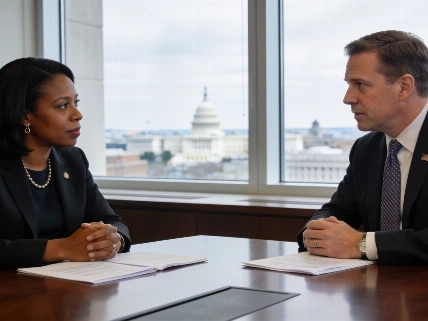
State Rep. Donni Steele met with U.S. Transportation Secretary Sean Duffy to advocate for new investment in Michigan's ports and shipbuilding sector, highlighting the need for infrastructure upgrades and workforce development to keep the state competitive
Michigan's push to modernize its ports and shipbuilding industry took a step forward as State Rep. Donni Steele pressed federal officials for direct support to strengthen the state's maritime infrastructure. Steele, who chairs the Michigan House Appropriations Subcommittee on Transportation, met with U.S. Transportation Secretary Sean Duffy to make the case for targeted investment and policy coordination.
Steele's message was clear: Michigan's economic future depends on robust ports, reliable waterways, and a skilled workforce ready to support American shipbuilding. She argued that without federal partnership, the state risks falling behind in both economic competitiveness and national security readiness.
Federal-State Coordination Sought
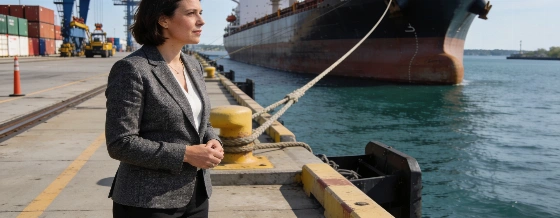
During the meeting, Steele and Duffy discussed the strategic role Michigan's Great Lakes ports play in moving goods and supporting manufacturing across the Midwest. The conversation focused on how federal funding and policy could help expand shipbuilding capacity, upgrade port facilities, and ensure the transportation network can handle future demand.
Steele emphasized that Michigan's location on the Great Lakes gives it a unique advantage, but only if infrastructure keeps pace with industry needs. She called for sustained investment in roads, bridges, and port modernization, as well as programs to train the next generation of maritime workers.
Economic Stakes for Michigan
Michigan's maritime sector supports thousands of jobs and is a critical link in the state's manufacturing supply chain. According to state data, the region's ports handle millions of tons of cargo annually, ranging from raw materials for auto plants to agricultural exports. Upgrades to port infrastructure could help attract new business and secure long-term economic growth.
Steele's advocacy comes as state and federal officials debate how to allocate infrastructure funding. She has made transportation investment a legislative priority, arguing that modern ports and a strong shipbuilding sector are essential for Michigan's economic independence.
Broader Policy Context
Coordination between state and federal agencies remains a sticking point for many infrastructure projects. Steele's meeting with Duffy signals a push for more direct collaboration, especially as Michigan competes with other Great Lakes states for limited federal dollars. The outcome could shape the region's economic landscape for years to come.
Recent reporting on Michigan's political landscape, such as the previous investigation into campaign finance, shows how state leaders are increasingly focused on securing resources for major projects.
What Happens Next
Steele indicated that ongoing talks with federal officials will be crucial as Michigan seeks to maximize the potential of its ports and waterways. The next steps may include formal funding requests, legislative proposals, and new workforce training initiatives aimed at supporting the maritime sector.
Michigan's ability to deliver on these priorities will depend on sustained advocacy and practical coordination between Lansing and Washington. The state's economic future-and its role in the national supply chain-will hinge on whether leaders can turn these discussions into concrete action.
As federal infrastructure debates continue, Michigan's approach stands out for its focus on both immediate upgrades and long-term workforce development. The state's leaders are betting that a modernized maritime sector will pay dividends not just for local communities, but for the entire region's economic resilience.