State Rep. Donni Steele met with U.S. Transportation Secretary Sean Duffy to advocate for new investment in Michigan's ports and shipbuilding sector, highlighting the need for infrastructure upgrades and workforce development to keep the state competitive
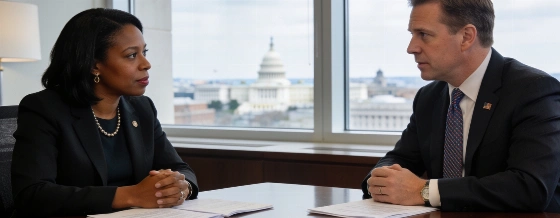
Michigan's push for stronger federal backing to modernize its ports and shipbuilding industry took a direct turn this week as State Rep. Donni Steele pressed the case in Washington. Steele, who chairs the Michigan House Appropriations Subcommittee on Transportation, met with U.S. Transportation Secretary Sean Duffy to argue that Michigan's economic future depends on robust investment in its maritime infrastructure and workforce.
Steele's message was clear: Michigan's ports and waterways are not just local assets-they are critical links in the national supply chain and essential to the state's manufacturing base. She called for targeted federal support to ensure Michigan can compete with other Great Lakes states and maintain its role as a shipping and manufacturing hub.
Focus on Ports and Shipbuilding
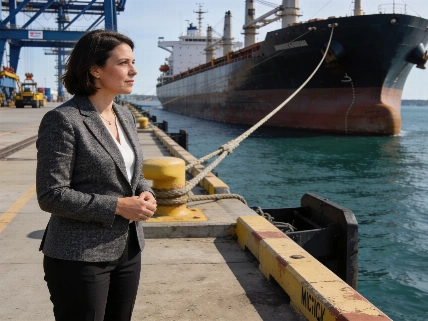
During the meeting, Steele and Duffy discussed the strategic importance of Michigan's maritime sector. The state's ports handle millions of tons of cargo annually, supporting industries from automotive manufacturing to agriculture. According to state data, Michigan's maritime commerce supports thousands of jobs and generates billions in economic activity each year.
Steele emphasized that without new investment, Michigan risks falling behind as aging infrastructure and workforce shortages threaten the reliability of its ports. She pointed to the need for upgraded docks, modernized equipment, and expanded training programs to attract and retain skilled workers in shipbuilding and logistics.
Infrastructure and Economic Impact
Michigan's location on the Great Lakes gives it a unique advantage, but also a responsibility to maintain infrastructure that meets national security and economic needs. The state's ports are gateways for raw materials and finished goods, making them vital to both local manufacturers and the broader U.S. economy.
Steele's role as chairwoman of the House Transportation Appropriations Subcommittee has put her at the center of state-level efforts to prioritize roads, bridges, and port facilities. She has advocated for increased state funding, but says federal partnership is essential to address the scale of investment required.
Next Steps and Coordination
Steele and Duffy agreed that ongoing coordination between state and federal officials will be necessary to secure funding and implement improvements. The discussion included potential grant opportunities, public-private partnerships, and the importance of aligning workforce development programs with industry needs.
For Michigan residents and businesses, the outcome of these talks could determine the pace of future upgrades and the state's ability to attract new investment. As federal infrastructure funding remains competitive, Michigan's case will depend on clear priorities and demonstrated economic impact.
Michigan's transportation infrastructure is shaped by a complex mix of state and federal funding, regulatory oversight, and private-sector involvement. The Michigan Department of Transportation manages highways and bridges, while port authorities and private operators oversee maritime facilities. Federal agencies such as the U.S. Department of Transportation provide grants and technical support, but state lawmakers play a key role in setting priorities and advocating for local needs. The next round of federal infrastructure grants is expected to open later this year, with Michigan officials preparing applications focused on port modernization and workforce training.