Michigan lawmakers are one House vote away from sending dam-safety reforms to Gov. Gretchen Whitmer. The package would require regular inspections, stronger reviews and updated emergency plans for aging, high-hazard structures.
After the Michigan Senate approved substitute language for House Bill 5485, the dam-safety package must clear one more House vote before it can reach Gov. Gretchen Whitmer.
The proposal is not law yet. Senators changed the bill, so the Michigan House of Representatives must agree to the same language. Local reporting described the vote as the next step after House passage. Lawmakers expected the House to act quickly, but the package remained pending at the time of reporting.
One House vote remains.
Rep. Bill G. Schuette, R-Midland, said he expects the House to approve the changes quickly. The House already passed companion Senate Bill 947 by a 96-7 vote. Schuette and Sen. Mallory McMorrow, D-Royal Oak, sponsor the two-bill package.
Both chambers must approve identical language before the proposal can go to the governor. Thursday's action moved the legislation forward. It did not finish the process.
McMorrow and Schuette have pushed the reforms after years of stalled attempts to strengthen Michigan's dam rules. The proposal would require inspections at least every 10 years. It would also require tougher reviews for high- and significant-hazard dams, updated maintenance and emergency-planning records, and a state dam-safety fund for dangerous deficiencies.
Critics have questioned whether parts of the package could overlap with or overstep federal oversight of federally licensed dams. That jurisdictional dispute remains central as the House considers the Senate changes.
Risks below aging dams.
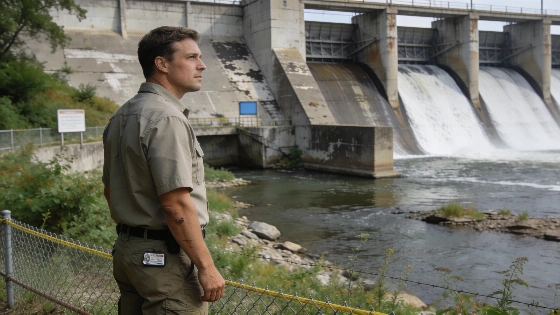
Michigan's dams average roughly 80 years old, according to state and regional reporting. More than 100,000 people live in potential flood paths below high- or significant-hazard dams. The risk reaches far beyond the land next to a structure.
Many dams are in poor or unsatisfactory condition. Hundreds also fail to meet the national standard for flood control. In much of the country, high-hazard dams must pass 100% of the probable maximum flood. That term generally means the worst-case flood expected for the surrounding area. Michigan's current standard is less than half as stringent.
For residents of Farmington and Farmington Hills, the bill does not declare a local dam unsafe. It would create a statewide system for identifying downstream risk, maintaining emergency plans and coordinating public warnings. The City of Farmington, the City of Farmington Hills and Oakland County administration would remain local contacts if a regional flood threat affected residents, roads or public facilities.
The figures give the proposal a clear public-safety purpose. The bills would set tougher expectations for inspections, flood capacity and long-term maintenance. A dam failure could affect downstream communities, schools and transportation routes. Families connected to the Farmington Public Schools board may also need local preparedness information, though the district is not a dam regulator.
Failures drove the push.
The reform effort is tied to the May 2020 failures of the Edenville and Sanford dams in mid-Michigan. The failures prompted large-scale evacuations and caused about $175 million in property damage, according to Michigan coverage. Those disasters still shape the state's regulatory overhaul and political debate.
Schuette has said the legislation cannot undo the damage from 2020. It can set a better path for communities and families near high-hazard dams. His district includes Midland, a region directly affected by the failures.
The State of Michigan's dam-safety program operates through the Michigan Department of Environment, Great Lakes, and Energy. The proposed framework would give the program a larger role. The state has also allocated millions of dollars to reinforce problem dams and add staff to the dam-safety unit. The money is meant in part to ease concerns that stronger standards could force communities to pay for upgrades they cannot afford. Details are available through the state dam-safety program.
A costly maintenance backlog.
Michigan has roughly 2,600 dams. Together, they need about $1 billion in repairs and updates, according to prior reporting. Tougher standards alone will not solve the problem. Communities and owners still need money, engineering work and steady oversight to bring aging structures into compliance.
Michigan's wider infrastructure strain was also examined in an earlier report. This dam package addresses a narrower issue. It ties safety expectations to inspections, flood capacity and an owner's ability to maintain the structure.
Oakland County's emergency-management resources can supplement notices from municipal governments and school officials. Residents can check the Oakland County emergency-management page for countywide planning and alert information. During an actual emergency, they should follow instructions from their city, county and school district.
The next formal step is the House decision on the Senate changes to House Bill 5485. If the House concurs, the bills could go to Whitmer for consideration. Until then, the standards remain pending. Michigan's aging dams still need repairs, inspections and public investment.
The lawmakers have moved dam safety beyond a stalled proposal. The legal framework will matter only if the House completes the process and the state follows through on funding and enforcement. Michigan has thousands of aging dams and an estimated $1 billion repair backlog. Delay leaves communities under standards lawmakers have judged inadequate.