Large areas of Michigan, especially in the Upper Peninsula and northern Lower Peninsula, lack air quality monitors, leaving residents without accurate information during wildfire smoke events and other pollution spikes
Many Michigan residents may be breathing unhealthy air without knowing it, as significant gaps in the state's air quality monitoring network leave large regions without reliable local data. During recent wildfire smoke events, some areas saw air quality index readings soar above 1,000-far exceeding hazardous levels-yet many communities had no nearby monitors to confirm local conditions.
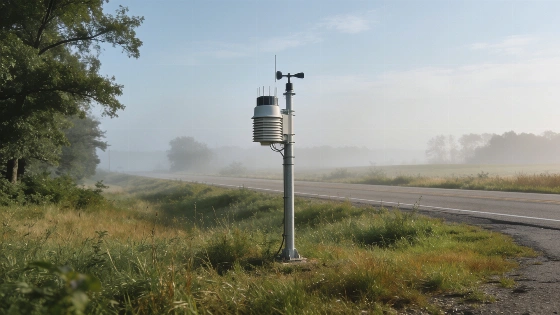
Michigan operates just two air quality monitoring sites in the entire Upper Peninsula and none north of Frankfort in the Lower Peninsula. This means that in much of northern and western Michigan, residents must rely on readings from monitors that may be hundreds of miles away, according to state and environmental sources.
Limited Coverage and Health Risks
The lack of local monitoring is not just a rural issue. Air pollution in Michigan comes from multiple sources, including wildfire smoke, industrial activity, and agriculture, affecting both urban and rural communities. Without nearby monitors, residents may be unaware of dangerous air quality, especially during events like last month's wildfire smoke that blanketed the state.
Michigan currently operates 45 air quality monitoring sites across its 58,000 square miles. Of these, 26 measure ozone pollution and 29 track fine particulate matter (PM2.5), which can penetrate deep into the lungs. However, these monitors only provide accurate data for the immediate area around each device, leaving large swaths of the state unmonitored.
Health experts warn that exposure to air pollution increases the risk of asthma, heart disease, and cancer. Without local data, it is difficult for residents and health professionals to assess risks or enforce clean air regulations. According to a 2025 Arizona State University study, 58% of U.S. counties have no air quality monitors at all, and rural, low-income areas are especially likely to be overlooked.
State Policy and Funding Constraints
While Michigan meets minimum U.S. Environmental Protection Agency (EPA) requirements for air monitoring, other states such as Minnesota and Colorado have adopted stricter policies and expanded their networks. The EPA allows states to decide where to place monitors based on population and perceived pollution risk, but Michigan officials say funding constraints prevent further expansion.
According to the Michigan Department of Environment, Great Lakes, and Energy (EGLE), the state has no current plans to add more monitors beyond three new sites-two in Detroit and one in Lansing-funded by a $369,000 federal grant from the American Rescue Plan Act. Each federally approved monitor can cost between $15,000 and $50,000, making widespread deployment expensive.
Some local governments and nonprofits have begun installing low-cost sensors to fill data gaps. For example, the Little River Band of Ottawa Indians near Manistee operates one of the only permanent PM2.5 monitors in its region. In Montana, a program called PurpleAir in Schools has placed more than 80 monitors in schools statewide, providing real-time data to the public.
Data Gaps Affect Public Response
The absence of local air quality data can lead to confusion and risky behavior. During recent smoke events, some Detroit residents relied on smartphone weather apps that reported moderate air quality, while federal data showed levels were actually "very unhealthy." In west Michigan, counties like Allegan, Berrien, and Muskegon have struggled with ozone pollution and have been designated as "serious nonattainment" areas by the EPA.
Even when warnings are issued, some residents and organizations may not respond appropriately. Health professionals have observed summer camps and outdoor activities continuing during hazardous air quality days, sometimes with air quality index readings above 400 or 500.
How Air Monitoring Decisions Are Made
The EPA requires states to consider pollution sources and vulnerable populations when designing monitoring networks, but leaves placement decisions largely to state agencies. Michigan's approach has focused on meeting federal minimums rather than expanding coverage. According to EGLE's 2027 Ambient Air Monitoring Network Plan, the state will add three new monitors with federal funding, but no further expansion is planned due to budget limitations.
For more on how local infrastructure decisions can affect residents, see this report on Ypsilanti Township's review of power transmission projects for a new data center.
As air quality concerns grow with more frequent wildfire smoke and ongoing industrial emissions, Michigan residents in unmonitored areas may continue to face uncertainty about the air they breathe. Community groups and local governments are increasingly turning to alternative monitoring solutions, but comprehensive statewide coverage remains a challenge.