Ypsilanti Township officials will vote on a six-month pause for new power transmission projects as they review the University of Michigan's $1.2 billion data center plan, which could reshape local infrastructure and impact residents near Textile Road.
Ypsilanti Township in Washtenaw County is weighing a six-month moratorium on new high-capacity power transmission projects, a move aimed at slowing the University of Michigan's proposed $1.2 billion data center. The township board is scheduled to vote on the measure Tuesday, following U-M's recent decision to move forward with the facility on Textile Road in partnership with Los Alamos National Laboratory.
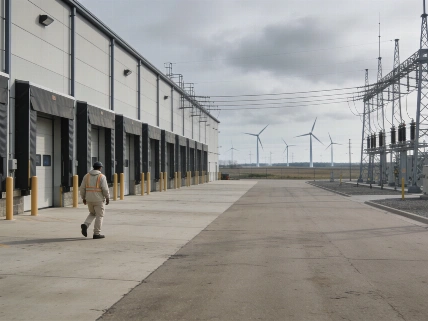
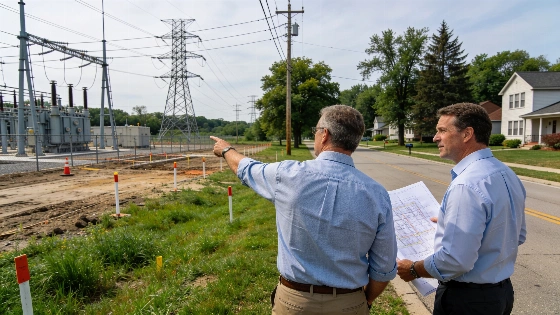
The proposed data center would require a new DTE Energy substation capable of powering approximately 80,000 homes, potentially leading to expanded transmission corridors, new utility easements, and additional towers. Township officials say the scale of the project is far beyond typical local developments and raises concerns about environmental impact, infrastructure strain, and the effect on nearby neighborhoods.
Moratorium Details and Local Concerns
If approved, the moratorium would temporarily halt approvals for major electrical infrastructure tied to data centers, giving township leaders time to review whether current regulations adequately address land use, noise, lighting, emergency access, and compatibility with residential areas. The resolution notes that existing rules do not fully cover the impacts of large substations, switching stations, and transmission facilities.
This action follows a separate one-year moratorium enacted in April by the Ypsilanti Community Utilities Authority, which paused water and sewage approvals for the U-M facility and another data center project in Augusta Township. Township officials have repeatedly expressed frustration with what they describe as a lack of transparency from U-M regarding the facility's purpose and potential risks, including its role in supporting national security and nuclear weapons research. While the center will not manufacture weapons, some local leaders worry it could make the area a target.
Project Scope and Community Impact
The University of Michigan's data center is expected to bring 200 high-paying jobs and attract related businesses, according to project supporters. The Michigan Economic Development Corporation has pledged $100 million for site preparation. Proponents, including the Detroit Regional Chamber, argue the project will boost the region's reputation and scientific capacity. However, township officials and some residents remain concerned about environmental effects, increased energy demand, and whether it is appropriate for one of the nation's wealthiest universities to build such a facility in a lower-income community.
DTE Energy has stated it is reviewing the proposed moratorium and remains committed to providing reliable service to all customers. University officials have not commented on the township's latest initiative. If the moratorium is enacted, township staff will examine issues such as land use, screening, noise, lighting, emergency access, and proximity to homes and public spaces before any new approvals are granted.
Next Steps and Public Input
The township's proposed moratorium is intended to give local leaders more time to assess the full impact of the data center and related infrastructure before construction begins. The University of Michigan has scheduled a community town hall on the project for September 9 at the Ann Arbor Marriott Ypsilanti at Eagle Crest, with details to be announced. Residents and stakeholders will have an opportunity to ask questions and share feedback as the review process continues.
Ypsilanti Township's approach reflects a broader trend in Michigan, where more than two dozen hyperscale data center proposals have surfaced in recent years. Local governments are increasingly scrutinizing the infrastructure demands and community effects of these large-scale projects before granting approvals.
In Michigan, township boards have authority over land use and zoning decisions, including the ability to enact temporary moratoriums while reviewing regulations. Such pauses are typically used to ensure that local ordinances keep pace with emerging development trends and to protect community interests during periods of rapid change.
- Local Government
- Planning & Public Hearings
- Rules & Public Services
- Development & Real Estate
- Local Utilities & Service Outages
- Environment & Great Lakes
- Washtenaw County
- Ann Arbor
- Michigan Economic Development Corporation
- Public Hearing
- University of Michigan
- Site Plan
- DTE Energy
- Electrical Grid
- Data Center