A former industrial site in Kalamazoo will be transformed into 48 affordable apartments and support facilities by fall 2027, backed by a $1 million Michigan EGLE grant for environmental remediation and redevelopment
Michigan is moving forward with a $19 million plan to turn a long-vacant, contaminated industrial property in Kalamazoo into affordable recovery housing, after the state awarded a $1 million brownfield redevelopment grant to support the project's environmental cleanup and construction.
The William Schma House project will bring 48 affordable apartments and new community services to 1900 Belford Street, a site that once formed part of a sprawling paper mill complex. The development is scheduled for completion in fall 2027, according to the Michigan Department of Environment, Great Lakes, and Energy (EGLE).
Environmental Cleanup and Site Transformation
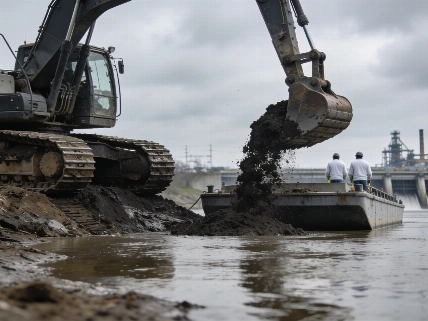
Before any new housing can rise, the site must undergo extensive remediation. The property, which included Mill D and a coal-fired power plant, was left with contamination from PCBs, metals, petroleum, and chlorinated solvents after the mill closed in 1997. Kalamazoo acquired the land in 2005 and, working with EGLE and the U.S. Environmental Protection Agency, has already invested $11.4 million in environmental cleanup. That effort included demolishing Mill D, removing 12,000 tons of contaminated material, realigning Portage Creek, and restoring the floodplain.
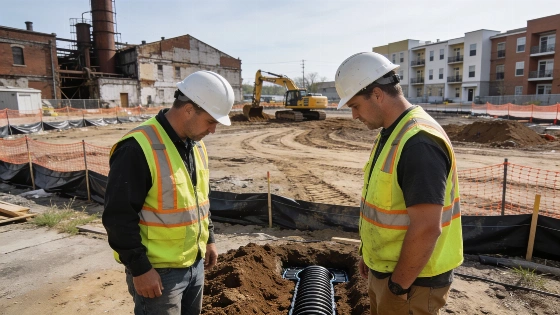
The latest $1 million EGLE grant will fund additional soil removal, a vapor mitigation system beneath the new buildings, and protective barriers to limit exposure to any remaining contamination. These steps are required before construction of the three planned apartment buildings and community spaces can begin.
Affordable Housing and Community Services
Once completed, the William Schma House will offer apartments for households earning between 20% and 80% of the area median income, with affordability secured through a payment-in-lieu-of-taxes agreement with the City of Kalamazoo. The development will also include space for mental health services, recovery coaching, and workforce training, as well as outdoor amenities like playgrounds, a dog park, and walking paths. Edison Community Partners is leading the project in partnership with the city and Kalamazoo County, which together are contributing more than $5 million toward the redevelopment.
For residents, the project promises not only new housing options but also access to support programs designed to help individuals in recovery and those seeking workforce skills. The combination of affordable rents and on-site services aims to address both housing insecurity and barriers to employment.
Brownfield Redevelopment Process
Transforming a brownfield site into housing is a complex process that requires coordination between local, county, state, and federal agencies. Environmental remediation must be completed before construction can begin, and ongoing monitoring is often required to ensure long-term safety. Projects like the William Schma House illustrate how former industrial land can be returned to productive use, but only after significant investment in cleanup and infrastructure.
According to reported earlier, Michigan communities are increasingly relying on state and federal grants to tackle large-scale redevelopment and address longstanding environmental challenges.
What Happens Next
Construction on the William Schma House is expected to begin after the next phase of environmental work is completed. The project is scheduled to open in fall 2027, with ongoing oversight from EGLE and local partners. For Kalamazoo, this redevelopment marks a significant step in reclaiming industrial land for community benefit, but it also highlights the high cost and complexity of turning brownfields into safe, livable neighborhoods. The state's willingness to invest public funds in such projects signals a pragmatic approach to both housing shortages and environmental legacy issues-one that other Michigan cities may soon follow as they confront similar challenges.