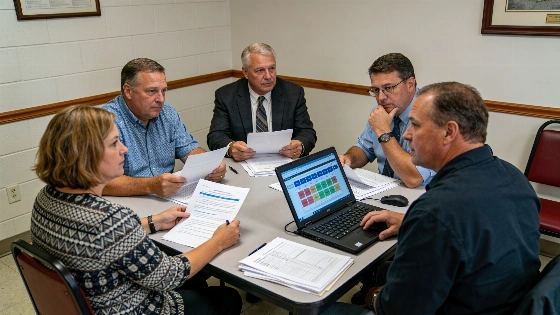
A new online tool from University of Iowa experts aims to help local governments evaluate the benefits and challenges of proposed data centers, as more communities weigh the impact of these large facilities on resources and infrastructure
As Iowa sees a surge in data center development, a team at the University of Iowa has introduced a new resource to help local governments make informed decisions about whether to welcome these facilities. The Iowa Data Center Decision Tool, developed by the Hubbell Environmental Law Initiative in partnership with the Tippie College of Business Social Impact Community, is designed to guide counties, cities, and communities through the complex considerations involved in hosting a data center.
The tool arrives at a time when more than 100 data centers already operate in Iowa, with additional large-scale projects in the pipeline. Local officials are increasingly faced with proposals from major technology companies, but many communities lack the technical and legal expertise to fully assess the long-term impacts on infrastructure, water, energy, land use, and local services.
Assessing Local Impacts
The Iowa Data Center Decision Tool does not advocate for or against data center development. Instead, it provides a structured set of questions and considerations for local leaders to evaluate potential projects. Topics include infrastructure capacity, water and energy demands, land use planning, economic development opportunities, tax implications, emergency services, and alignment with community priorities.
By organizing these issues, the tool aims to help communities identify both the opportunities-such as increased tax revenue and infrastructure investment-and the challenges, including strain on local resources and changes to land use. The resource is intended to level the playing field for smaller towns that may not have access to teams of finance, engineering, or legal experts.
Growing Concerns and Community Response
The launch comes amid growing skepticism in some areas about the rapid expansion of data centers. Residents in several states have raised concerns about water consumption, electricity usage, noise, and the impact on local land. In response, New York and Texas have enacted temporary moratoriums on new data center construction until further studies and audits are completed. Across the country, voters are also being asked to weigh in on data center proposals through local ballot initiatives.
According to Jennifer Terry, director of the Hubbell Environmental Law Initiative, the tool was created after extensive conversations with local officials, utility providers, and other stakeholders. The development process included input from law students and undergraduate interns who researched relevant laws and the practical effects of data centers on communities.
How the Tool Was Developed
The project began with outreach to a wide range of local government representatives to understand their needs and concerns. The resulting tool was shaped by feedback from elected officials, administrators, and utility managers who would be directly involved in planning for new data centers. Amy Colbert, professor of management and entrepreneurship at the Tippie College of Business, noted that the tool is meant to serve as a starting point for community discussions, not as a prescriptive answer.
Early feedback has been positive, with the Iowa State Association of Counties recently testing the tool. Organizers say the resource is designed "by Iowans, for Iowans," and is intended to provide objective, balanced information to help communities make decisions that fit their unique circumstances.
Next Steps and Broader Context
As the debate over data center development continues, the University of Iowa team is considering future updates to the tool, such as adding a playbook or workbook to guide communities through the entire decision-making process. A white paper on data center development in Iowa is also expected from the Hubbell Environmental Law Initiative later this year or early next.
This effort reflects a broader trend of local governments seeking more guidance on technology-related projects. For example, experts have recently called for stronger safeguards and clearer accountability in government data sharing, as highlighted in a recent Farmington Voice report on privacy and security in public data initiatives.
The Iowa Data Center Decision Tool is available online and is expected to be updated as more communities use it and as the landscape of data center development evolves. Organizers hope it will help local leaders make decisions that balance economic opportunity with the needs and values of their residents.
Data center proposals often require careful review of local ordinances, infrastructure capacity, and long-term community goals. The new tool aims to support Iowa's many small and rural communities, which may lack the resources of larger cities, by providing a clear framework for evaluating these complex projects before any agreements are signed.