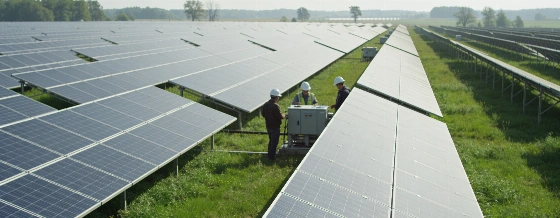
NorthStar Clean Energy's new 120-megawatt solar farm in Oceana County is up and running, sending renewable electricity to thousands of homes and bringing new jobs and tax revenue to the area.
More than 21,000 homes in Michigan are now getting electricity from the new Hart Solar Project in Oceana County. NorthStar Clean Energy says its 120-megawatt facility is fully online and feeding power into the grid. This launch adds a major boost to Michigan's renewable energy network. Local residents and public services are seeing the benefits right away. NorthStar expects the project to generate over 200 GWh of electricity each year and cut about 96,000 metric tons of CO2 annually. These numbers support Michigan's climate goals and match the Michigan Department of Environment, Great Lakes, and Energy's push for cleaner energy.
Building the Hart Solar Project brought more than 300 jobs to the region, according to NorthStar Clean Energy. The company also says the project will keep bringing in tax revenue for Hart Township and nearby communities. This money will help fund local government, public safety, schools, and emergency services. These priorities line up with what the City of Farmington and other Michigan towns have set for their own communities.
Power agreements and community funding
Some of the electricity from Hart Solar is sold through power purchase agreements with Executive Energy Services and the Michigan Public Power Agency (MPPA). These deals help public power communities lock in reliable, carbon-free energy. MPPA says the Hart Solar Project fits its plan to diversify energy sources and keep costs down for its member towns, which include several in Oakland County and the surrounding area.
Hart Township also received about $600,000 from the Michigan Department of Environment, Great Lakes, and Energy's Renewables Ready Communities Award Program. This money is set aside for community improvements tied to the solar project. The CMS Energy Foundation gave another $100,000 to the Lakeshore Food Club, a local food bank, to help residents get what they need. These investments follow the same community-first approach seen in Farmington Public Schools, where energy savings and better infrastructure are top priorities.
Local impact and broader context
The Hart Solar Project comes as more Michigan towns invest in renewable energy and upgrade their infrastructure. The size of the project and the public-private partnerships behind it show a shift among local governments and utilities to use more energy sources and make the grid stronger. Other Michigan cities are also working on big upgrades, like the recent push to modernize water systems in Jackson.
NorthStar Clean Energy says the Hart Solar Project is meant to help customers meet their energy goals and make the state's grid more reliable. The involvement of MPPA and Executive Energy Services shows how working together can make large renewable projects possible for many communities, not just the biggest utilities. Executive Energy Services expects Oakland County and small businesses across Michigan to save money on electric supply. Oakland Schools and 45 other public school districts are expected to save about $25 million over 10 years, according to recent updates from the Oakland County administration.
How the project fits local priorities
Projects like Hart Solar usually come together through private investment, public funding, and long-term energy contracts. Local governments get more tax revenue, and residents see better public services and infrastructure thanks to project grants. Hart Solar's approach-combining energy production with direct community investment-matches efforts across Michigan to make sure renewable energy brings real benefits to local people. In Farmington and Farmington Hills, city council resolutions and public hearing notices show the same focus on sustainable growth and reliable services. Residents can check for upcoming meetings and energy updates through the City Council portal.
As Michigan adds more renewable energy, the Hart Solar Project stands out for its quick impact on both the grid and the community. New jobs, local funding, and steady clean power offer a clear example for future projects. The project's completion shows that when public agencies and private partners work together, renewable energy can deliver real results for Michigan residents. Recent changes in state law, like Public Act 233 of 2023, now let electric providers ask the Michigan Public Service Commission to approve large renewable projects if a town doesn't have a matching renewable energy ordinance. This makes it easier for projects like Hart Solar to move forward across the state.