A federal lawsuit claims Leland Township in Michigan discriminated against a Christian youth group by denying a permit for a downtown clubhouse. The dispute raises questions about zoning rules and constitutional rights.
A federal lawsuit filed on August 10, 2026, in the U.S. District Court for the Western District of Michigan has put Leland Township in the spotlight after officials denied a special use permit for a Youth for Christ clubhouse at 110 North Lake Street. The case, assigned to Judge Paul Maloney, was brought by five plaintiffs: James and Elizabeth VanSteenhouse, their company Apollos Properties, and Youth for Christ missionaries Micah and Kya Cramer. They have requested a jury trial in the matter (Bridge Michigan).
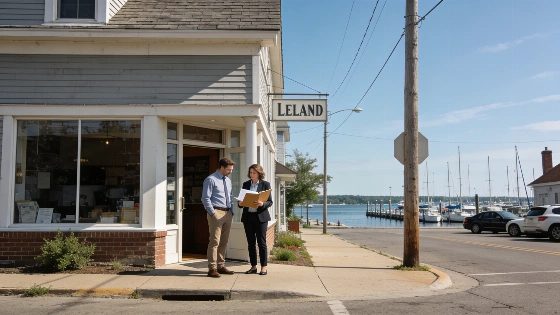
The dispute centers on a $1.2 million property overlooking Fishtown harbor, purchased in February 2025. Apollos Properties planned to lease the space to the Leland LightHouse chapter of Youth for Christ for prayer, Bible study, mentoring, and fellowship. In April 2026, the Leland Township Planning Commission voted 4-1 to deny the special use permit, saying the proposed use did not fit the zoning definition of a "club" allowed in the commercial district. This decision followed several public meetings and legal consultations, as documented in township records and public hearing notices available through the Leland Township municipal portal.
The plaintiffs argue that the township's zoning rules unfairly allow secular groups to gather in the business district while restricting religious organizations. Their complaint cites violations of the U.S. Constitution, the Michigan Constitution, and federal civil rights laws, focusing on religious exercise, free speech, and equal protection. The case has drawn attention from state officials, including the Department of Licensing and Regulatory Affairs, which oversees local zoning and civil rights compliance.
Community opinion is split. Supporters of the Youth for Christ clubhouse say the township should not restrict gatherings based on religious content. Opponents question whether a ministry belongs in a busy commercial area meant for tourism and local business. At public meetings, some residents raised concerns about the impact on retail, while others defended the right to use private property for religious purposes. The Planning Commission, led by chair Lee Cory, has said the decision was based only on zoning definitions, not religion, a point township representatives have repeated.
The legal fight has also touched on regulatory issues. In a related incident, the Benzie-Leelanau District Health Department cited the Youth for Christ Club for serving hot chocolate and coffee at meetings without a food license, highlighting ongoing tensions between the ministry and local regulators (Michigan Capitol Confidential). These disputes show the challenges of municipal oversight in small communities and the role of county agencies in enforcing health and zoning rules.
Next, Apollos Properties plans to appeal to the township's Zoning Board of Appeals, with a public hearing set for September 23. Meanwhile, the federal lawsuit seeks to block enforcement of the permit denial and asks the court to rule that the township's actions were unconstitutional. The outcome could affect how religious organizations are treated under local zoning laws in Michigan and possibly elsewhere. Local officials, including those in neighboring communities and the Farmington Public Schools board, are watching the case closely, as it may influence future decisions about facility use and community partnerships.
As the legal process continues, Leland Township's handling of the permit request will test how local governments balance zoning authority with constitutional rights. The result will clarify where courts draw the line between land use regulation and religious freedom.