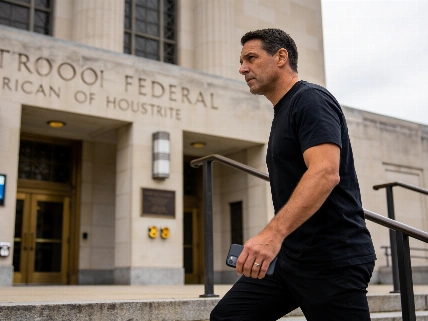
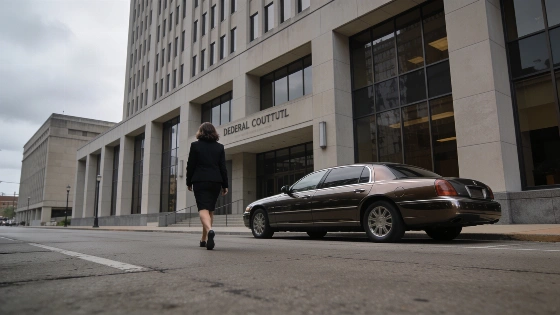
A federal judge in Detroit has barred Shannon Monet Steel from moving assets after investigators linked alleged ambassador claims and fake banking documents to at least eight victims.
On Sept. 23, a federal judge in Detroit barred Shannon Monet Steel from transferring or disposing of assets. The order covers a Bentley and a Maserati. Investigators allege that the Farmington Hills businesswoman used false claims about diplomatic status, banking wealth and hotel ownership to obtain investor money.
Steel, 42, was arrested by the FBI on a wire-fraud charge. She allegedly spent some of the money on luxury vehicles, including a Bentley Continental and a leased Maserati. She also allegedly bought a ticket to Paris.
Steel is accused of presenting herself as a U.S. ambassador to the Central African Republic. She also allegedly claimed access to hundreds of millions of dollars in assets. The allegations concern one person, not the City of Farmington Hills or another local government.
That distinction matters.
Community members seeking municipal information can consult the City of Farmington Hills website. The federal prosecution remains under the jurisdiction of the U.S. District Court in Detroit.
According to a Reuters report, federal investigators determined that Steel was not an accredited diplomat of any country in the United States. She was not a diplomat or employee of the U.S. government. Eric Nygren, a State Department special agent assigned to diplomatic security investigations, confirmed the verification.
Steel was released on an unsecured $10,000 bond, Reuters reported. A wire-fraud conviction could bring up to 20 years in prison. Court materials also reference possible additional charges, including money laundering. The allegations have not been tested at trial. Steel remains presumed innocent unless proven guilty.
In a Sept. 10 filing, prosecutors told the federal court that Steel allegedly persuaded victims to send hundreds of thousands of dollars during loan transactions. Assistant U.S. Attorney K. Craig Welkener alleged that she presented herself as the owner of a heavily capitalized bank, an ambassador and a successful hotel owner.
The filing says Steel allegedly routed money through corporate entities and attorney IOLTA accounts. Prosecutors say the transfers concealed her control of the funds. They also allege that she used the money for personal expenses and sometimes repaid victims who became suspicious.
The investigation reportedly began after a journalist contacted the State Department's Diplomatic Security Service. The journalist wanted to check Steel's claimed diplomatic status. That outside verification helped trigger a broader investigation into her statements and financial transactions.
One alleged transaction took place in February 2026. Steel approached a California businessperson and said she could access millions of dollars in investment funds. According to a court document, she persuaded the investor to wire $200,000 to an escrow account in Michigan.
Steel allegedly promised to provide a standby letter of credit. That is a bank-backed financial guarantee intended to assure that promised investment funds could be made available.
To support her claims, Steel allegedly produced a bank confirmation letter attributed to Deutsche Bank. The document said her private bank held more than 300 million euros. Deutsche Bank investigators examined the letter and determined that it was fraudulent, according to court records.
The federal charge involving one investor is narrower than the broader pattern described in the records. Investigators cited by The Detroit News have identified at least eight victims and approximately $1.5 million in alleged losses.
The alleged scheme relied on credibility as much as cash. Steel reportedly used titles tied to diplomacy, finance and hospitality to present herself as a reliable investment partner. Prosecutors say she directed money through accounts that hid who controlled it.
The records describe an alleged cycle. Investor funds paid personal expenses. Occasional repayments helped maintain confidence among people who questioned the transactions. Prosecutors say that pattern supports their request to keep control over assets that may be traceable to victims.
Local institutions are not identified as participants in the alleged transactions. The City of Farmington, the Farmington Public Schools board and Oakland County administration are separate public entities from the federal court and the federal investigative agencies handling the case.
The State of Michigan's departmental registries do not replace federal court records or proof of diplomatic accreditation. Those records have not identified local institutions as participants.
The preliminary asset order is a court-ordered restriction. It is not a final finding that Steel committed fraud. The order is meant to stop property and money identified by prosecutors from being transferred or spent while the case proceeds. No trial date was identified in the material reviewed for this report.
For investors, the case shows why a claimed title or impressive balance sheet is not the same as independently verified authority to lend or invest money. Investigators say the purported Deutsche Bank letter failed that check. The alleged diplomatic status also was not confirmed by the federal agency responsible for such checks.
The reported evidence describes more than a disputed loan. It describes an alleged system that turned false credentials and fabricated financial documents into investor transfers and personal spending. The claims remain allegations until a court rules on the charges. The scale cited in the filings explains why prosecutors sought restrictions on Steel's assets.