
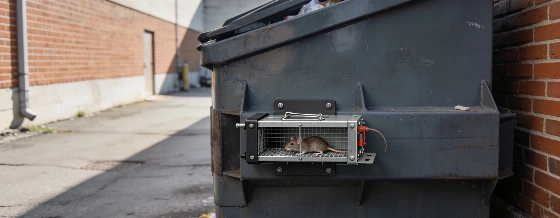
A new rodent trap designed in Farmington Hills aims to help businesses and residents deal with pests around dumpsters and trash cans, without direct contact or messy cleanup.
Businesses and residents in Farmington Hills may soon have another option for dealing with rodents near dumpsters and trash cans. A local inventor has developed the C E T (Colony Eliminator Trap), a device meant to attract, trap, and kill rodents without requiring users to see, touch, or smell them. As of mid-September 2026, there is no independent confirmation that the product has launched, been sold, or tested in the field. The only public mention so far is a press release distributed by InventHelp in national business media.
The C E T is described as a self-contained system that works inside or near dumpsters and trash containers. According to information submitted to InventHelp, the design is meant to reduce the hassle and mess of traditional rodent traps, offering a more sanitary option for both businesses and households. The device is registered under project code TKI-1280, but no technical details, pricing, or verified performance data have been released.
How the trap works
The inventor, based in Farmington Hills, Michigan, created the C E T to address rodent problems in places where food waste and garbage build up. The device is built to be durable and easy to use, and is intended for settings ranging from restaurants and apartment buildings to single-family homes. All available details come from the developer, and there has been no independent testing or outside review.
Unlike standard traps that often require users to handle dead rodents or clean up after each use, the C E T is designed to contain the entire process. This is meant to limit exposure to pests and reduce the risk of contamination or bad odors. In Farmington Hills and other Michigan communities, pest management around waste sites is regulated by local ordinances and health codes, with oversight from city officials and the Oakland County Health Division.
Availability and next steps
The original design for the C E T has been submitted to InventHelp, a company that helps inventors bring new products to market. The device is currently available for licensing or sale to manufacturers interested in producing and distributing it. There is no public release date or retail availability yet, and there are no records of the device being evaluated by the City of Farmington Public Works or other local waste authorities.
Rodent control is a common concern for property owners and businesses, especially in areas with a lot of waste. U.S. healthcare and sanitation standards require facilities to maintain effective pest control programs, especially where food or medical waste is present. This regulatory framework, referenced in the Healthcare Pest Reference, highlights the need for reliable and independently tested solutions for rodent management.
In Farmington Hills and similar communities, pest management is often a shared responsibility between property owners, waste haulers, and local authorities. The Farmington Public Schools Board, for example, regularly reviews sanitation and pest control protocols for district buildings. While the C E T is not yet commercially available, its development is part of ongoing efforts to find practical solutions for everyday sanitation problems. The next step depends on whether manufacturers choose to license and produce the device, and whether it meets the standards set by local and state agencies.