Michigan Senate candidate Mike Rogers faces renewed scrutiny over past pharmaceutical industry donations and legislative advocacy, as rival Abdul El-Sayed adjusts his campaign attacks following a cease and desist letter
Michigan's U.S. Senate race has intensified as Democratic candidate Abdul El-Sayed continues to question Republican Mike Rogers' connections to the pharmaceutical industry. The debate centers on Rogers' history of accepting campaign contributions from drug companies and his legislative record on prescription pain medication access during his time in Congress.
The dispute escalated earlier this year when El-Sayed labeled Rogers a "pharma lobbyist" and claimed he received a $14 million payout for lobbying work. Rogers' campaign responded by sending a cease and desist letter on June 22, calling the accusation "demonstrably false" and threatening legal action. State and federal records confirm Rogers has never registered as a lobbyist.
Campaign Contributions and Legislative Record
While El-Sayed has stopped using the term "pharma lobbyist," he continues to highlight Rogers' financial ties to the industry. According to a 2016 investigation by the Associated Press and the Center for Public Integrity, Rogers' campaign and leadership accounts received at least $310,000 from pharmaceutical-related groups between 2006 and 2015. During his current Senate run, OpenSecrets reports he has received about $73,276 from donors connected to pharmaceutical manufacturing, wholesale, pharmacists, or biotech sectors, and a total of $420,000 from the broader health care sector.
Rogers' legislative record also draws attention. From 2001 to 2015, he was a vocal advocate for expanding access to prescription pain medications. Only one bill he sponsored or supported on this issue became law: the Veterans Pain Care Act of 2008, which required the Department of Veterans Affairs to establish a comprehensive pain care policy. Rogers has said his advocacy was motivated by personal experience with his brother's chronic pain.
Ongoing Attacks and Public Statements
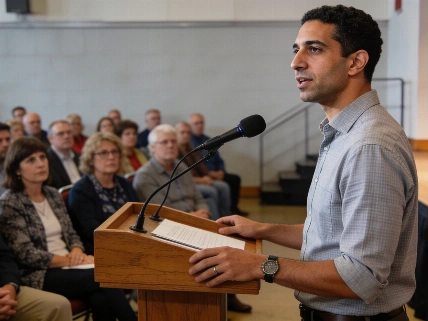
Despite the legal warning, El-Sayed continues to criticize Rogers' industry ties in campaign speeches and public appearances. He has accused Rogers of accepting money from pharmaceutical lobbyists and supporting policies that raised prescription drug prices. At a recent Detroit press conference, El-Sayed reiterated these points, though he no longer directly calls Rogers a lobbyist.
PolitiFact reported that Rogers received a $30,000 payment from the CGCN Group, a lobbying firm representing over 50 clients including drug and medical technology companies. However, Rogers' campaign stated he worked on strategic communications and telecommunications issues, not lobbying activities.
Context in Michigan's Senate Race
The scrutiny of Rogers' pharmaceutical connections is one of several issues shaping the competitive Senate contest to replace retiring Democratic Senator Gary Peters. The race has drawn attention to candidates' backgrounds, policy positions, and campaign funding sources. For a broader look at the key issues defining the race between Rogers and El-Sayed, see this recent overview of the Michigan Senate campaign.
Michigan's campaign finance laws require detailed reporting of contributions, and outside investigations have played a role in highlighting the influence of industry donations. The ongoing debate underscores the importance of transparency and accountability as voters prepare to choose their next U.S. Senator.