Consumers Energy intends to reduce or halt water flow from the Hodenpyl Dam to the Manistee River the week of September 21 to inspect storm damage, raising concerns among river advocates about environmental impacts and alternative options.
Consumers Energy is moving forward with plans to temporarily reduce or stop water flow from the Hodenpyl Dam into the Manistee River in northern Michigan to allow for a storm damage inspection. The utility notified state officials that the inspection is tentatively scheduled for the week of September 21, though the company says the final approach is still under review.
The proposed action would lower water levels by about a foot in a popular stretch of the Manistee River, which is frequented by anglers, boaters, and hikers along the North Country Trail. River advocacy groups have voiced strong opposition, arguing that Consumers Energy has not fully explored alternatives to a full flow cut and warning of potential harm to fish and wildlife.
Inspection Needed After Spring Storm Damage
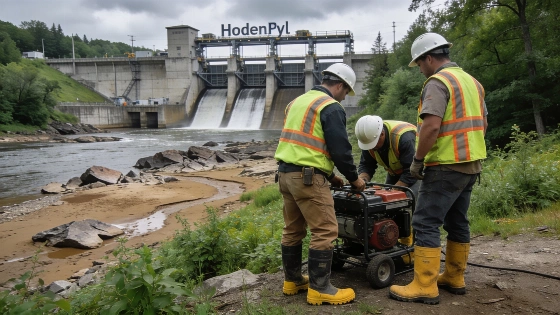
According to Consumers Energy, the inspection is necessary to assess damage caused by spring storms to the tailrace area, where water exits the 101-year-old Hodenpyl Dam. The company says that turbulent water makes it unsafe for divers to inspect the site unless the flow is significantly reduced or stopped. Issues at the dam include sinkholes, compromised sheet piling, and a suspected leaking retaining wall.
Consumers Energy first alerted the Michigan Department of Natural Resources (DNR) and the Department of Environment, Great Lakes, and Energy in July, stating that temporarily halting the flow was the only safe way to conduct the inspection. After initial pushback from state officials concerned about fish and wildlife, the company delayed the inspection and agreed to consider other options. However, in a recent update to state agencies, Consumers indicated it now plans to proceed with the inspection later in September.
River Advocates and State Agencies Respond
River advocates, including the Michigan Hydro Relicensing Coalition, have urged Consumers Energy to maintain at least minimal river flow during the inspection, suggesting the use of siphon pipes to move water downstream. Consumers Energy responded that siphons are not being pursued due to logistical challenges and the need for federal approval, given the timing of the inspection.
To address concerns about fish strandings, Consumers Energy plans to station staff at seven downstream locations equipped with waders and nets to rescue any stranded species. Additional monitoring will be conducted by kayak and drone. The DNR is reviewing the company's plan and has expressed cautious optimism about the proposed protective measures, while preparing follow-up questions for the utility.
Mechanical Issues and Dam Sale Proposal
Complicating the situation, the dam's two power-generating units-which could have provided an alternative way to move water-are currently not operational. This limits Consumers Energy's options for maintaining flow during the inspection period.
The controversy comes as Consumers Energy seeks to sell Hodenpyl Dam and 12 other hydropower facilities across Michigan to a private equity firm for $1 each. The proposed sale is motivated by the high cost of maintaining the aging dams. However, a state administrative law judge recently recommended that regulators reject the sale, citing concerns that new owners may not invest adequately in dam safety. Michigan Governor Gretchen Whitmer has also voiced opposition to the sale.
What Residents Should Know
The planned inspection will affect a well-used section of the Manistee River, with water levels expected to drop by just over a foot during no- or low-flow intervals. The exact number and duration of these intervals have not been finalized. Consumers Energy has committed to communicating next steps transparently once a final plan is determined.
For residents interested in how local infrastructure decisions can affect communities, a recent story on Ypsilanti Township's consideration of a power moratorium for a University of Michigan data center project offers additional perspective on the challenges of balancing utility needs and community impacts. Read more in this related report on local infrastructure planning.
State agencies will continue to review Consumers Energy's inspection plan and may request further modifications to protect the river's ecosystem. No final decision has been made on the dam sale, and the outcome could influence future management of hydropower facilities in Michigan.