
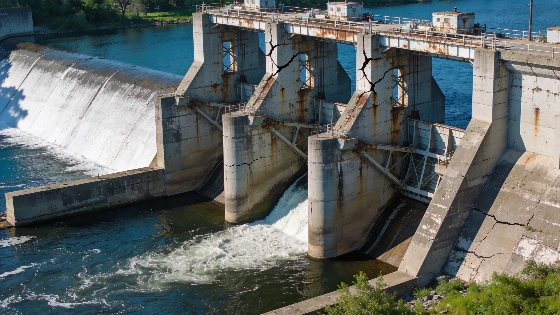
Governor Gretchen Whitmer has formally objected to Consumers Energy's proposed sale of 13 hydropower dams to a private equity firm, warning the deal could shift long-term safety and financial risks onto Michigan taxpayers if approved.
Governor Gretchen Whitmer has formally opposed Consumers Energy's plan to sell 13 hydropower dams across Michigan to a private equity firm, raising concerns that the deal could leave taxpayers responsible for costly repairs and public safety risks. The Michigan Public Service Commission is expected to rule on the proposed sale in the coming weeks.
Whitmer's objection adds to growing resistance from state agencies, outside groups, and the Michigan Attorney General, who have all questioned whether the sale would protect residents and the state's financial interests. The governor cited recent dam failures and near-misses as evidence that private ownership can compromise safety and lead to significant public costs.
Dam Sale Details and Safety Concerns
Consumers Energy has proposed selling the 13 dams to Confluence Hydro for $1 each, with the utility agreeing to buy back the electricity generated at twice the current market rate. Consumers argues this approach would spare its customers from the high costs of repairing or decommissioning aging infrastructure. However, Whitmer and other critics point to the 2020 Midland dam failures, the near-collapse of the Cheboygan Dam during spring flooding, and the deteriorating Au Train Dam in the Upper Peninsula as recent examples of the dangers posed by private dam ownership.
In her letter to the Michigan Public Service Commission, Whitmer stated that private dam owners have too often failed to maintain safe conditions, resulting in extraordinary expenses for Michigan taxpayers. She warned that the proposed sale would allow the private equity firm and its investors to benefit financially while shifting long-term risks to local residents and the state.
Regulatory Review and Public Response
The Michigan Public Service Commission's staff, Attorney General Dana Nessel, and several outside organizations have all recommended that the sale be rejected or, at minimum, be subject to strict conditions requiring Confluence Hydro to cover future repair costs. Earlier this year, an administrative law judge also advised the commission to reject the deal, calling it inconsistent with the public interest.
In response to criticism, Consumers Energy offered to direct $270 million in anticipated profits from the sale into a safety fund to help maintain the dams. Whitmer and other opponents have dismissed this concession as insufficient, arguing that the fund would be difficult to access and unlikely to address urgent or long-term safety needs.
What Happens Next
The Michigan Public Service Commission is expected to make a final decision on the proposed dam sale in the near future. If approved, the deal would transfer ownership of 13 hydropower dams located throughout Michigan to Confluence Hydro, with Consumers Energy continuing to purchase the electricity they generate. The outcome will determine whether the state or private investors bear responsibility for future maintenance and safety costs.
Hydropower dams play a role in Michigan's energy mix, but many of the state's facilities are aging and require significant investment to remain safe and operational. The debate over the Consumers Energy sale highlights broader questions about how Michigan should manage critical infrastructure and who should pay for its upkeep.