A new mail ballot system rushed by the U.S. Postal Service to comply with a Trump executive order could lead to widespread rejection of mail ballots, according to a whistleblower. The system is under court review ahead of the midterm elections.
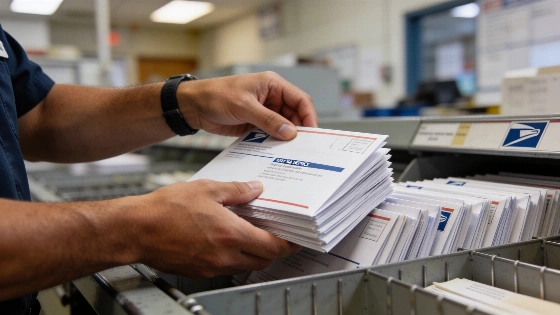
The U.S. Postal Service is facing scrutiny after a whistleblower revealed that a new mail ballot system, built to comply with President Donald Trump's executive order, may result in the rejection of large numbers of valid mail ballots. The system, which is still under development, is intended to be used in the upcoming midterm elections and has already been the subject of multiple court challenges.
According to a statement released by Democratic Sen. Richard Blumenthal, the whistleblower alleges that the Postal Service has been working under intense pressure to create a complex online portal and related procedures in just three months-a process that would typically take a year or more. The rushed timeline has led to concerns about errors and the potential for legitimate ballots to be discarded.
System Development and Legal Challenges
The new system is part of the implementation of an executive order signed by President Trump in March, which directs federal agencies to create state citizenship lists and requires the Postal Service to send mail ballots only to voters on those lists. Ballot envelopes must also meet new design requirements, including bar codes, and states must submit their lists of verified voters through the new online portal.
Development of the portal began on June 15 but was halted on June 25 following a federal court order. Work resumed on July 29 after the administration appealed the ruling, and the Supreme Court later allowed the process to continue temporarily. However, a 14-day restraining order was issued by U.S. District Court Judge Indira Talwani, preventing full implementation for now.
Potential Impact on Voters
The whistleblower's statement, summarized by the group Whistleblower Aid, warns that the system's rushed construction and lack of full testing could prevent millions of voters from receiving their mail-in ballots on time or at all. The system reportedly includes a "zero percent" error rule, meaning that a single error in a batch of ballots could result in all ballots in that batch being rejected, even if most are valid.
Election officials in several states have already expressed concerns that the new procedures cannot be implemented before the first mail ballots are scheduled to go out, such as in North Carolina. The rule also requires ballots to be physically handled and scanned by election officials at post offices, adding another layer of complexity and risk for errors.
Ongoing Court Actions and Next Steps
Legal battles over the executive order and the new system are ongoing. While the Supreme Court has temporarily allowed the Postal Service to continue developing the portal, the restraining order remains in effect, and further court decisions are expected before the midterm elections. The White House has defended the changes as necessary to prevent fraud, while critics argue that the system could disenfranchise millions of voters.
More than 29% of voters in the 2024 election used mail ballots, a method that has become increasingly common among Democratic voters since 2020. The outcome of the court cases and the readiness of the new system will determine whether mail voting remains accessible for the upcoming elections.
The U.S. Postal Service has not commented on the whistleblower's claims. According to a 2025 Brookings Institution report, mail voting fraud remains extremely rare, with only about four cases per 10 million ballots cast.
The Postal Service's role in mail voting has grown in recent years, especially as more states have expanded absentee and mail-in voting options. The current legal and technical challenges highlight the importance of reliable systems and clear procedures to ensure that all eligible voters can participate in elections without unnecessary barriers.