A Dearborn Heights resident spent weeks hospitalized with severe encephalitis before doctors identified West Nile virus as the cause. The case highlights the risk of mosquito-borne illness in Michigan and the importance of early medical attention.
After weeks of confusion, hospitalizations, and a battery of inconclusive tests, doctors finally identified the cause of Mark Kasprzyk's sudden and severe illness: West Nile virus. The 64-year-old electrician from Dearborn Heights became the first confirmed case in Wayne County this year, according to his medical team, after a harrowing stretch that left his family fearing for his life.
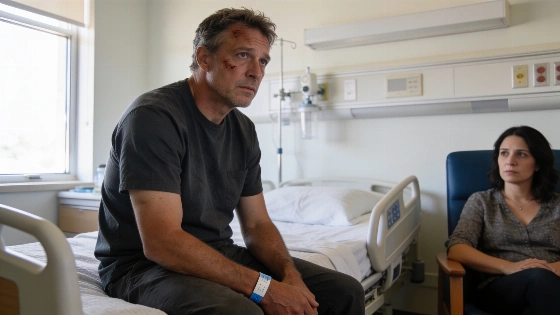
Kasprzyk's ordeal began in late July with a headache and subtle changes in behavior. Within days, he was unable to speak coherently or remember basic facts about himself. His wife, Karen, initially suspected a stroke, but imaging at McLaren Central Michigan Hospital ruled that out. Instead, doctors found dangerous brain swelling-encephalitis-with no clear cause.
Diagnosis Delayed by Elusive Symptoms
Encephalitis can result from a range of infections, but pinpointing the culprit is often a slow process. In Kasprzyk's case, the search for answers stretched over several weeks. He was treated with antivirals, antibiotics, and IV fluids while doctors eliminated possible causes one by one. A spinal tap ruled out bacterial infection, but viral testing took longer. During this period, Kasprzyk's condition was so unstable that he required heavy sedation and intensive care. He missed a family golf fundraiser and lost four days of memory to the illness and its treatment.
It was not until mid-August that Dr. Brian Duffy, an infectious disease specialist, confirmed West Nile virus as the source of the encephalitis. The Centers for Disease Control and Prevention reports that most people infected with West Nile virus experience no symptoms, but about one in 150 develop neuroinvasive disease affecting the brain or spinal cord. Among those with severe cases, roughly 10 percent die. Kasprzyk survived, but only after aggressive intervention and weeks of uncertainty.
Community Risk and Prevention Measures
West Nile virus is transmitted to humans through the bite of infected mosquitoes, which become carriers after feeding on infected birds. Kasprzyk does not recall being bitten, and it remains unclear whether exposure occurred at his Dearborn Heights home, during a golf outing at Inkster Valley Golf Club, or at his family's lake house in central Michigan. The Michigan Department of Health and Human Services warns that as summer turns to fall, the risk of mosquito-borne illnesses-including West Nile virus, eastern equine encephalitis, and Jamestown Canyon virus-increases statewide.
So far this year, five Michigan residents have been diagnosed with West Nile virus, according to the CDC. Nationally, 407 cases have been reported, with 285 classified as severe. Michigan health officials recommend residents reduce risk by eliminating standing water outdoors, avoiding time outside at dawn and dusk, wearing long sleeves and pants, using EPA-registered insect repellents, and repairing window and door screens.
Symptoms and When to Seek Care
West Nile virus can cause a range of symptoms, from mild headaches and fatigue to severe neurological complications. Health authorities urge residents to seek prompt medical attention if they develop high fever, severe headache, neck stiffness, confusion, muscle weakness, vision loss, or numbness-especially during mosquito season. Early intervention can be critical in preventing long-term complications or death.
Encephalitis, the condition Kasprzyk developed, can lead to lasting memory, speech, or nerve damage even in survivors. The National Institute of Neurological Disorders and Stroke notes that recovery can be slow and incomplete, underscoring the importance of prevention and vigilance.
In Michigan, local and state health agencies continue to monitor mosquito-borne illnesses and provide public guidance. Residents are encouraged to report dead birds, which can be an early indicator of West Nile virus activity in an area. Community efforts to control mosquito populations-such as draining standing water and maintaining public spaces-remain a key part of local public health strategy.
Kasprzyk's case is a reminder that mosquito-borne diseases are not confined to distant places or rare circumstances. Even routine summer activities in Michigan can carry risk, and delayed diagnosis can have life-altering consequences. For residents, the lesson is clear: take symptoms seriously, act quickly, and follow public health recommendations to reduce exposure. The stakes are not theoretical-they are personal, immediate, and, as this case shows, sometimes a matter of survival.