The White House has announced a new partnership with North American Blue Energy Partners to create a U.S.-backed oil company in Venezuela, giving the Pentagon a 35% stake and the State Department rights to purchase a portion of the output at cost.
The White House has unveiled a new agreement with North American Blue Energy Partners (NABEP) to establish a U.S.-backed oil company in Venezuela, marking a significant shift in American involvement in the country's energy sector. The deal, announced Monday, will give the Pentagon a 35% ownership stake in the new company, while the State Department will have the right to purchase 20% of the oil produced at cost.
This partnership comes nine months after the capture of then-President Nicolás Maduro on federal narcoterrorism and drug trafficking charges. According to the White House, the new company will be formed jointly with NABEP, which is already the second largest oil operator in Venezuela. The goal is to create a major new player in the global oil market, leveraging Venezuela's vast reserves.
Details of the Oil Deal
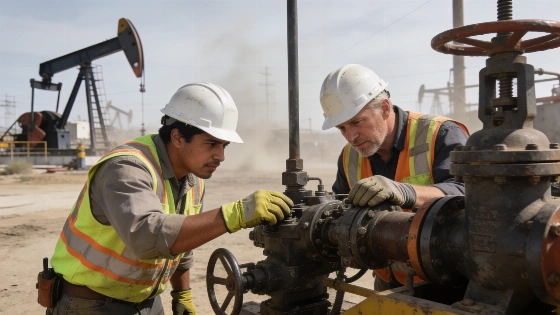
Under the terms of the agreement, NABEP, owned by Alejandro Betancourt, has committed to investing $100 billion in new oil infrastructure across Venezuela. The deal grants the new company 100-year rights to operate 17 oil fields with proven reserves totaling approximately 65 billion barrels. Many of these fields were previously controlled by Russian or Chinese firms, according to the White House.
The U.S. government will have veto power over board appointments, with a majority of board members required to be U.S. citizens. The agreement also stipulates that reputable U.S. auditors, lawyers, and advisers will oversee the company's operations, and that the partnership will be governed by U.S. law and subject to the jurisdiction of U.S. courts.
Political and Economic Implications
The White House claims the arrangement will be "at zero cost" to the U.S. government, while providing a strategic foothold in one of the world's largest oil reserves. The State Department's guaranteed purchase of 20% of the output at cost is intended to secure a stable supply for U.S. needs.
However, former U.S. government energy advisers have warned that the deal carries political risks. Future administrations in either Venezuela or the United States could challenge or attempt to renegotiate the agreement, potentially affecting its long-term stability.
The partnership is part of a broader push by President Donald Trump's administration to increase oil production and secure energy resources abroad. The White House has emphasized that the deal is designed to benefit U.S. interests while maintaining oversight and legal protections.
While the agreement is positioned as a major step in U.S.-Venezuela relations, its success will depend on political developments in both countries and the ability of NABEP to deliver on its investment commitments.
In the context of international energy markets, this move could reshape the balance of oil production in the Americas and influence global supply chains. The long-term impact for Venezuelan communities and the broader region remains to be seen as the partnership moves forward.