The University of Michigan will move forward with a $1.2 billion research computing center in Ypsilanti Township, partnering with Los Alamos National Laboratory. Local officials say too many project details remain undisclosed and vow to keep fighting.
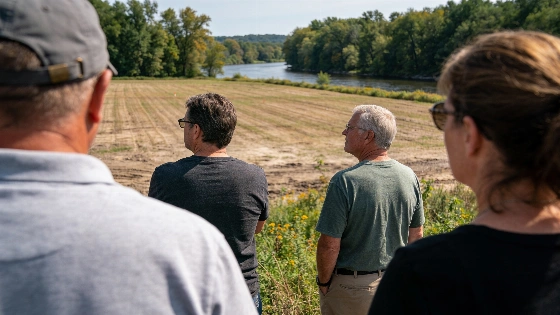
The University of Michigan has officially selected a 144-acre site along the Huron River in Ypsilanti Township for its planned $1.2 billion research computing center, confirming the decision after months of local opposition. The project, a partnership with Los Alamos National Laboratory, is intended to support advanced research in national security, artificial intelligence, and biomedical innovation, according to university statements.
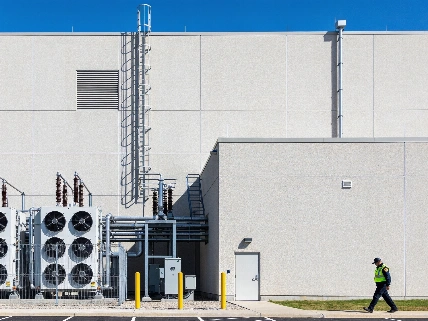
The facility will be located on Textile Road in far eastern Washtenaw County, on land purchased by U-M in 2025. University officials say the site offers access to necessary power and water infrastructure, making it suitable for a large-scale data center. The project is partially funded by a $100 million state grant approved in December 2024, with the remainder coming from university and federal sources.
Township Officials Oppose the Site
Ypsilanti Township officials have strongly opposed the project since it was first announced, citing concerns about transparency, community impact, and the nature of the research to be conducted. Township leaders argue that too many details remain classified or undisclosed, and that the community—one of the county's less affluent areas—was not adequately consulted. The township, with a population of about 54,000 and a per-capita income significantly below the county average, has passed resolutions against the project and called for a pause on new data center approvals.
Despite these objections, the university reaffirmed its commitment to the Textile Road site after considering alternative locations, including state-owned land near the American Center for Mobility. U-M maintains that the new center will provide Michigan researchers with world-class computing resources and create up to 200 high-paying jobs, with average salaries estimated at $200,000 per year. University officials also say the project could attract additional science and technology facilities to the region.
Township officials remain skeptical of the job creation claims and the university's assurances about the project's safety and scope. Some local leaders have expressed concern about the partnership with Los Alamos National Laboratory, which is known for its national security and nuclear research. However, U-M representatives have stated that the facility will not involve the storage or handling of nuclear materials.
Calls for More Transparency Continue
The announcement has drawn criticism from elected officials, including U.S. Rep. Debbie Dingell, who called for greater transparency and more engagement with the affected community. Township leaders say they were notified of the final site selection only moments before the public announcement and have pledged to continue opposing the project through legal and political channels.
U-M has scheduled a community town hall meeting in Ypsilanti Township for September 9 to discuss the project and address resident concerns. The university says it will work to answer questions and provide more information about the facility's operations and potential impacts.
Data Center Development Expands in Michigan
The Ypsilanti Township data center is one of several large-scale computing projects proposed or underway in Michigan, following recent state tax incentives for data center development. Another major project, a $43 billion data center by Oracle and OpenAI, is currently under construction in nearby Saline Township. The growing number of such facilities has sparked debate across the state about economic benefits, environmental impact, and community involvement in development decisions.
In Michigan, large research and data center projects typically require coordination between universities, state agencies, and local governments. Funding often combines state grants, university investment, and federal support, especially when national laboratories are involved. Public meetings and town halls are common steps in the process, but the level of transparency and community input can vary widely depending on the project and the institutions involved.