Nearly 3,000 native mussels were moved downstream of the Peninsular Paper Dam in Ypsilanti to shield them from sediment disruption as the city prepares for dam removal as early as 2027
In a high-stakes effort to protect Michigan's threatened aquatic life, volunteers and experts have relocated nearly 3,000 native mussels from the Huron River just below Ypsilanti's Peninsular Paper Dam. The move comes as the city prepares to dismantle the aging dam, a project expected to begin as soon as 2027, with the goal of preventing a wave of sediment from suffocating rare mussel populations.
The Huron River is home to more than 30 native mussel species, including a dozen listed as threatened or endangered by the state. The planned removal of the Peninsular Paper Dam, which has stood since 1867 and was decommissioned in the 1970s, raised alarms among conservationists and state officials about the risk to these slow-moving, long-lived creatures.
Why Mussels Needed Protection
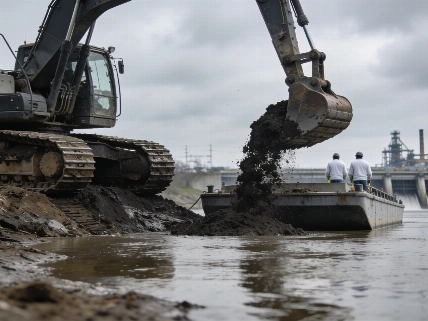
When a dam is removed, sediment that has built up behind it can surge downstream, clouding the water and settling on the riverbed. For mussels-creatures that can live for decades but move only inches at a time-this sudden change can be fatal. According to the Huron River Watershed Council, mussels trapped in heavy sediment are unable to escape and often die as a result.
In a 2024 survey, eight mussel species were found near the dam, including the purple wartyback, wavy-rayed lampmussel, and black sandshell-all on Michigan's threatened list. The Michigan Department of Natural Resources required the city to relocate mussels found immediately below the dam before any demolition work could begin. Ypsilanti hired engineering firm GEI to coordinate the operation, with volunteers from the Huron River Watershed Council and other groups joining the search.
How the Relocation Was Carried Out
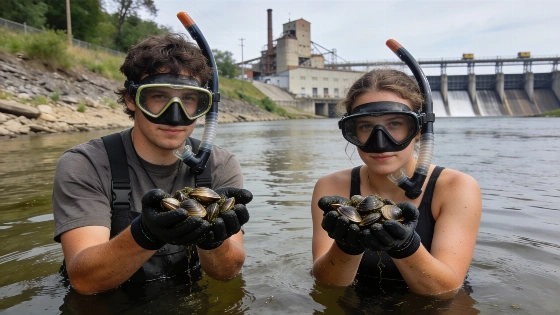
Throughout the summer, teams of volunteers donned snorkeling gear and waded into the river, searching for mussels in water ranging from a few inches to several feet deep. Once found, mussels were carefully moved from the river's edges-where sediment was expected to accumulate-to the faster-flowing center, where they would be less vulnerable to being buried.
All native mussels in Michigan are protected by law and cannot be handled without a permit. The relocation effort was designed to comply with these regulations while maximizing the survival chances of the rarest species. Volunteers described the work as both challenging and rewarding, with each discovery celebrated as a small victory for conservation.
What Happens Next for the River
With the dam's removal scheduled as early as 2027, the city and conservation groups will monitor how mussel populations respond to the restored river flow. Experts expect that, over time, mussels will begin to repopulate areas upstream of the former dam site, where stagnant water once limited their habitat. The hope is that improved water quality and connectivity will benefit not only mussels but also fish and other aquatic life.
The Peninsular Paper Dam's removal is part of a broader trend in Michigan and across the country, as communities weigh the costs and risks of maintaining obsolete dams against the ecological benefits of free-flowing rivers. While dam removal can disrupt habitats in the short term, it often leads to healthier waterways in the long run.
For Ypsilanti and the Huron River, the relocation of thousands of mussels is a concrete example of how local action and volunteer commitment can make a measurable difference for endangered species. The project demonstrates that with careful planning and community involvement, infrastructure changes do not have to come at the expense of native wildlife.
The Peninsular Paper Dam project highlights the complex balance between infrastructure, environmental protection, and community priorities. As Michigan faces decisions about aging dams statewide, the Ypsilanti mussel relocation stands as a model for how to combine regulatory oversight, scientific expertise, and grassroots participation to protect vulnerable species while moving forward with necessary public works.