
Southern California beaches have seen a sharp rise in stingray injuries this year, with over 3,100 incidents reported at popular Orange County destinations as warmer ocean temperatures and low surf draw more rays close to shore.
Southern California's coastline is experiencing a significant increase in stingray injuries this year, as thousands of beachgoers from San Diego to Los Angeles County have reported being stung. The spike is being attributed to unusually warm ocean temperatures and a period of low surf, which have created ideal conditions for stingrays to gather in shallow waters near popular beaches.
According to local marine safety officials, the number of stingray incidents has more than doubled in some areas compared to last year. Bolsa Chica State Beach and Huntington State Beach alone have recorded over 3,100 stingray-related injuries so far in 2026, surpassing the total for all of 2025. Huntington Beach's 3.5-mile shoreline has seen more than 2,000 incidents, while San Diego lifeguards have treated 1,207 stingray injuries, about 200 more than at this point last year.
Warm Waters and Low Surf Drive Stingray Activity
Researchers and lifeguards point to a combination of El Niño conditions and a Pacific Ocean heatwave as the main factors behind the surge. Ocean temperatures have remained consistently in the 60s throughout the winter and spring, drawing stingrays closer to shore. At the same time, a decline in surf has reduced wave action, making shallow waters more attractive to these marine animals.
Seal Beach Marine Safety officials report an average of three to five stingray injuries per day, with numbers fluctuating based on beach attendance. In previous years, daily injuries at Seal Beach have ranged from 10 to 15 during peak periods. The increase in stingray encounters has been especially noticeable during stretches of warm weather and calm seas, when more people are in the water and rays are more likely to be present near the shoreline.
How to Stay Safe and Treat Stings
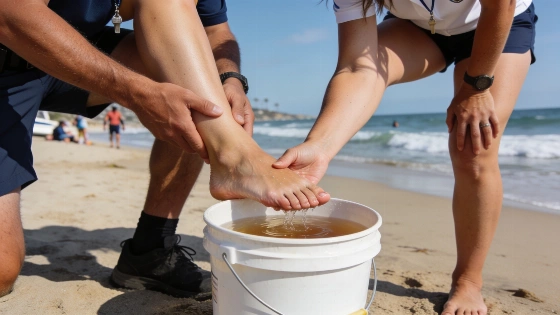
Most stingray injuries occur when swimmers or surfers accidentally step on a ray hidden in the sand. The stingray's barbed spine, typically one to one-and-a-half inches long, can puncture the skin and inject venom, causing intense pain. Lifeguards spend much of their time during the summer months assisting those who have been stung, often by providing buckets of hot water to soak the affected area-a treatment that helps neutralize the venom and ease discomfort.
California State Parks officials recommend that anyone stung by a stingray soak the wound in hot, fresh water as soon as possible. Medical attention may be necessary if the wound is deep, bleeding heavily, shows signs of infection, or if the person experiences an allergic reaction. Authorities caution against using alcohol, urine, or ammonia on stingray wounds, as these methods are not effective and may increase the risk of infection.
Ongoing Monitoring and Public Awareness
Local lifeguards and marine safety departments continue to monitor stingray activity and provide public education on how to avoid injuries. Beachgoers are encouraged to shuffle their feet when entering the water, a technique that can help scare away stingrays before stepping on them. Information about stingray safety is being shared at lifeguard stations and through public announcements at affected beaches.
Stingray injuries are not new to Southern California, which has long been known as a hotspot for these incidents. However, the current surge highlights the impact of changing ocean conditions on local marine life and public safety. Officials expect stingray activity to remain elevated as long as warm water and low surf persist, and urge visitors to stay informed and take precautions when enjoying the beach.
Stingray encounters are a recurring issue for Southern California's coastal communities, especially during periods of warm weather and increased beach attendance. Local agencies regularly track injury numbers and adjust public safety messaging as needed. The combination of environmental factors and high visitor numbers means that stingray safety will likely remain a focus for lifeguards and public health officials throughout the summer season.