Pennsylvania legislators are considering new bills to regulate automated license plate readers and Flock cameras, aiming to address privacy concerns and set clear rules for law enforcement and local governments
Pennsylvania lawmakers are moving forward with a series of proposals to regulate the use of Flock cameras and automated license plate readers (ALPRs) across the state. The technology, which has become increasingly common in law enforcement, is now at the center of a debate over privacy, surveillance, and public safety.
With more than 1,700 ALPRs estimated to be in use in Pennsylvania and over 120,000 Flock cameras nationwide, concerns have grown about how these systems collect, store, and potentially misuse data on residents' movements. Recent reports of law enforcement officers using ALPRs to track individuals without cause have intensified calls for legislative action.
Proposals to Restrict or Ban ALPRs
Several bills are being introduced in the Pennsylvania General Assembly to address these concerns. State Sen. Dan Laughlin, a Republican, has announced plans for legislation that would prohibit the use of ALPRs connected to networks capable of automatically identifying and storing vehicle information. His proposal would still allow traditional security cameras and vehicle-mounted license plate readers but aims to prevent the creation of searchable databases that could track individuals over time.
Sen. Doug Mastriano, also a Republican, is preparing a bill that would ban the mass, suspicionless collection and retention of Pennsylvanians' movements by ALPR systems. His legislation would restrict the use of ALPRs to specific public safety purposes, such as investigating stolen vehicles, AMBER Alerts, missing person cases, and criminal investigations. The bill would also establish penalties for using ALPRs to stalk, harass, or improperly monitor individuals.
Safeguards, Moratoriums, and Data Limits
In the state House, Reps. David Rowe and Josh Bashline, both Republicans, are working on a two-bill package to protect residents' Fourth Amendment rights. One bill would require government agencies to obtain a warrant before using ALPRs to search for or track a specific person or license plate, and would limit how long ALPR data can be retained. It would also require clear signage to notify the public when ALPRs are in use. The second bill would give local governments the authority to impose moratoriums on the installation and use of ALPRs within their boundaries.
Democratic Rep. Tarik Khan has introduced a proposal to set parameters on who can access ALPR data and how long it can be stored. His bill would also create civil penalties for misuse and empower the Pennsylvania attorney general and local district attorneys to investigate and enforce violations. The legislation has bipartisan support, reflecting widespread concern about unchecked surveillance.
Addressing Unauthorized Use and Enforcement
Sen. Lisa Boscola, a Democrat, has circulated a proposal to ban the unauthorized or unlawful use of ALPRs and Flock cameras. Her bill would prohibit using these systems for personal reasons or outside of legitimate law enforcement activities, while still allowing their use for criminal investigations, missing-person cases, and other approved public safety purposes. The move follows national reports of law enforcement officers misusing ALPRs to track individuals for personal reasons.
These legislative efforts come as public opinion remains divided. According to a recent YouGov survey, 44% of Americans would oppose having an ALPR installed on their street, while 40% would support it. Lawmakers say the proposed bills are intended to balance the benefits of ALPR technology for public safety with the need to protect individual privacy and prevent abuse.
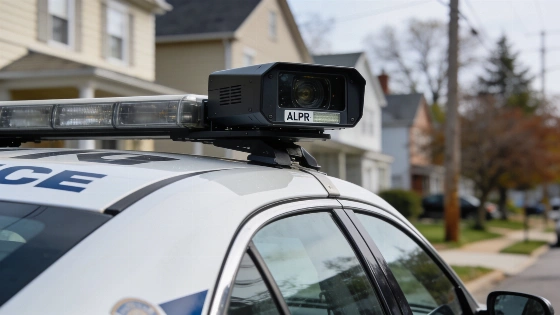
ALPRs and Flock cameras are used by law enforcement agencies to automatically scan and record license plates, helping to identify stolen vehicles and suspects in criminal investigations. However, the creation of large, searchable databases has raised concerns about the potential for mass surveillance and the tracking of individuals not suspected of any crime. The Pennsylvania General Assembly's proposals reflect a growing trend among states to set clear rules for how this technology can be used and to ensure accountability for misuse.