Michigan awarded $224 million to 31 school districts for urgent building repairs, but a recent study found public schools statewide need $22.8 billion to address aging infrastructure by 2033
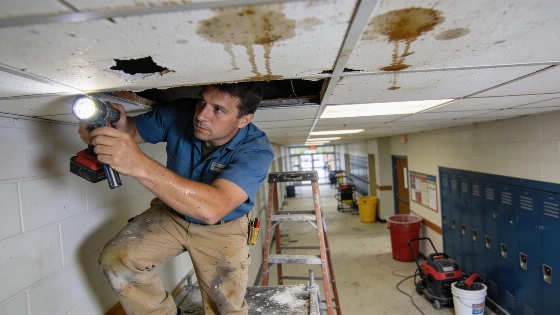
Michigan has distributed $224 million in grants to 31 public school districts to address critical infrastructure needs, including repairs to boilers, HVAC systems, electrical wiring, and leaking roofs. While this funding marks a significant step, it covers only a fraction of the estimated $22.8 billion needed to bring school buildings across the state up to modern standards by 2033, according to a state-commissioned study.
The Michigan Department of Education (MDE) announced the grant awards in July, with an additional $100 million in infrastructure grants planned for the 2027 fiscal year. Despite these efforts, many districts that did not receive funding are now preparing to ask voters to approve local bonds in the November election to cover essential repairs.
Funding Gaps and Local Burden
Michigan is one of only eight states where local bonds are the primary source of funding for school infrastructure projects, according to the Education Commission of the States. From 2014 to 2023, Michigan school districts paid 98% of their infrastructure costs, with just 2% coming from federal sources and almost none from the state. This heavy reliance on local funding means that many districts must turn to voters for bond approval, a process that has become increasingly challenging in recent years.
The $224 million in recent grants represents just 16.5% of the $1.8 billion requested by districts in this round, and even that request falls far short of the total need identified in the 2025 statewide facilities report. The report, which assessed 2,534 school buildings, found that Michigan schools require $22.8 billion in repairs and upgrades to meet basic health, safety, and wellness standards.
Districts Face Difficult Choices
For districts that received grants, the funding will allow for immediate repairs and may help reduce long-term operating costs. Owendale-Gagetown Area Schools in Huron County, for example, was awarded $6.6 million to address roof, electrical, plumbing, and HVAC issues. The district expects these improvements to lower utility bills and prevent further deterioration of its facilities.
However, many districts were left out. Eastpointe Community Schools, located near Detroit, requested $11 million for critical repairs but did not receive funding. The district, which serves a high percentage of low-income students and operates a nearly century-old high school, will now seek voter approval for a bond in November. District officials have also pursued private donations and advocated for increased state support, but say the current system is inequitable and leaves many schools struggling to maintain safe learning environments.
State and National Comparisons
Michigan's approach to school infrastructure funding stands in contrast to neighboring states. While Michigan, Indiana, and Wisconsin provided no state funding for school repairs from 2014 to 2023, Iowa contributed 29% and Ohio 16% of their school infrastructure costs. Some states, such as Massachusetts and Wyoming, have established dedicated revenue streams for school construction and modernization, using sales tax or natural resource revenues to support ongoing needs.
According to the MDE, the department continues to advocate for increased state investment in school facilities. The recently signed $22.9 billion education budget includes a record $1.7 billion in School Aid funds for higher education, but K-12 districts will receive $10,300 per pupil, a 2.5% increase over last year. Some local officials argue that redirecting more School Aid funds to K-12 infrastructure could help close the funding gap.
What Happens Next
With the next round of state grants not scheduled until the 2027 fiscal year, many Michigan school districts will rely on local voters to approve bonds or sinking funds to finance urgent repairs. The outcome of these ballot measures in November will determine whether schools can address critical infrastructure needs or must continue to defer maintenance. Meanwhile, state officials and education advocates are expected to push for more sustainable, long-term solutions to Michigan's school infrastructure challenges.
Michigan's school funding structure places most of the responsibility for building repairs on local communities. While recent state grants have provided some relief, the scale of the need means that many districts will continue to face difficult choices about how to maintain safe and functional learning environments for students. The coming years will test whether state and local leaders can find new ways to address the billions in unmet infrastructure needs across Michigan's public schools.