A 1999 Michigan Supreme Court ruling allows public university boards to make most decisions privately. Lawmakers and advocates are now seeking constitutional changes to require open meetings and greater accountability for how $1.8 billion in state funds are spent.
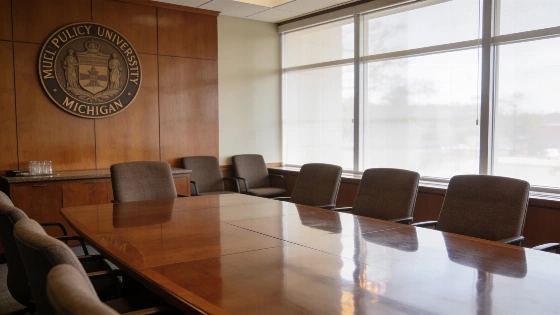
Michigan's 15 public universities are facing renewed scrutiny over how their governing boards conduct business, as lawmakers and advocates call for greater transparency in decision-making. The push comes after decades of concern that university boards routinely make key decisions behind closed doors, shielded by a 1999 Michigan Supreme Court ruling that exempts them from the state's Open Meetings Act.
Despite receiving $1.8 billion in public funding in the upcoming budget year, university boards are not required to deliberate in public on most matters. This has led to frustration among students, journalists, and legislators who argue that the public deserves to know how taxpayer money is being used and how major decisions are made.
Decades of Private Deliberations
The issue dates back to a 1999 court decision involving Michigan State University, when the Supreme Court ruled that applying the Open Meetings Act to university presidential searches would infringe on the constitutional autonomy granted to public universities. Since then, many boards have interpreted the ruling broadly, holding private discussions on a range of topics before voting in public sessions with little debate.
Examples cited by transparency advocates include the University of Michigan's refusal to release a report after a costly sports department investigation, Michigan State University's handling of documents in the Larry Nassar scandal, and allegations of illegal private meetings among Wayne State University board members. Lawsuits and legislative proposals have repeatedly sought to force more openness, but the legal precedent has proven difficult to overcome.
Legislative Efforts and Proposed Reforms
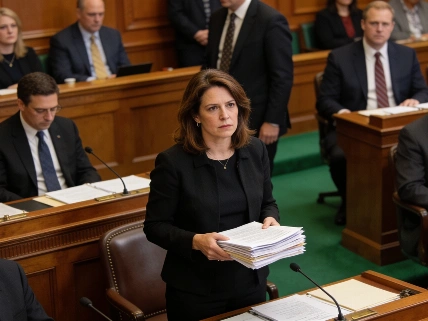
State Sen. Ed McBroom has introduced legislation multiple times, including in the current session, to amend the Michigan Constitution and require public universities to comply with the Open Meetings Act and Freedom of Information Act. Such a change would need approval from two-thirds of lawmakers and a statewide vote. McBroom and other supporters argue that universities should be held to the same transparency standards as local governments, school boards, and community colleges.
Other lawmakers, including Sen. Veronica Klinefelt, have joined as co-sponsors, citing their own experiences with open government requirements at the local level. However, the proposed constitutional amendment has stalled in committee, and some legislators say the process for advancing such measures is slow and uncertain.
University Response and Ongoing Debate
University officials maintain that they comply with constitutional requirements for openness and that board meetings are open to the public. They note that the Open Meetings Act allows for closed sessions on sensitive matters such as personnel or contracts. Critics, however, argue that the spirit of open government is being undermined by private deliberations and limited public discussion before votes are taken.
Advocates for transparency, including journalists and civic organizations, say that the current system makes it difficult for the public to hold universities accountable. Past lawsuits, such as the Detroit Free Press case against the University of Michigan, have failed to overturn the legal precedent, and efforts to force change through the courts have so far been unsuccessful.
What Happens Next
With the latest legislative proposal stalled, supporters of reform are considering new lawsuits or renewed legislative efforts in future sessions. The debate is likely to continue as long as public universities remain exempt from the full requirements of Michigan's Open Meetings Act, especially given the significant amount of taxpayer funding involved each year.
Michigan's public universities are governed by boards with constitutional autonomy, but the state constitution also requires that their business be conducted in public. The ongoing debate centers on how to balance university independence with the public's right to know how decisions are made and funds are allocated. Until the law changes, university boards will continue to operate under the current legal framework, with transparency advocates pushing for greater openness and accountability.