Michigan schools reported nearly 18,000 incidents of seclusion or restraint during the 2024-2025 school year. A new bill could prohibit seclusion and require more staff training to address student crises and trauma.
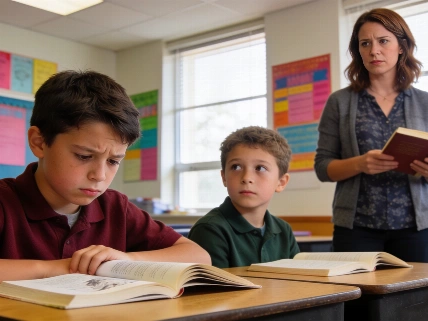
Michigan lawmakers are weighing new legislation that would ban the use of seclusion and further restrict physical restraint in public schools, following reports that students were secluded or restrained nearly 18,000 times during the 2024-2025 school year. The majority of these incidents involved students with disabilities, raising concerns among families and advocates about the ongoing use of these practices despite a decade-old state law intended to reduce them.
Advocacy groups and some legislators argue that current policies do not go far enough to protect vulnerable students and that additional safeguards and clearer definitions are needed. The proposed changes come as the state continues to debate how best to address student behavior crises while ensuring safety for both students and staff.
Proposed Changes to School Discipline
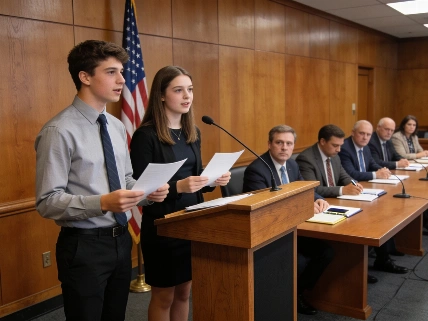
The draft bill, expected to be introduced by State Sen. Stephanie Chang (D-Detroit) in fall 2026, would prohibit seclusion in Michigan schools and limit the use of physical restraint to emergency situations where it is essential to prevent imminent serious bodily harm. If a school district is found to use restraint excessively, it would be required to submit a plan to the Michigan Department of Education (MDE) outlining steps to reduce such incidents. The MDE would determine what qualifies as excessive use.
The legislation would also require districts to train staff on how trauma affects student learning and behavior, with the goal of preventing crises before they escalate. Supporters say these measures are necessary to ensure that seclusion is not used as a form of discipline and that staff are better equipped to respond to students in distress.
Debate Over Training and Implementation
While advocates such as Michigan Advocates to End Seclusion & Restraint (EndSaR) support the proposed ban, some special education administrators question whether additional legislation is needed. They point out that many districts already provide training on trauma, de-escalation, and restorative practices. According to Kirsten Myers, assistant superintendent for Kent Intermediate School District, school personnel in her district and others have access to training that covers neuroscience, trauma, and debriefing techniques.
However, EndSaR leaders maintain that more consistent and comprehensive training statewide would help reduce the use of restraint and seclusion. They emphasize that most educators do not want to harm students but may lack the resources or knowledge to handle crises differently.
Impact on Students and Families
Families of students with disabilities and advocates who experienced seclusion as children say the trauma from these practices can last for years. Sunday Koffron Taylor, a co-founder of EndSaR, recalls being removed from class and secluded as a child, which led her to avoid school. She now supports efforts to ban seclusion and limit restraint, citing both personal experience and recent cases such as the 2020 death of Cornelius Frederick, a teenager who died after being restrained in a Kalamazoo youth facility.
Michigan has already enacted restrictions on seclusion and restraint in child-caring institutions, but advocates argue that similar protections are needed in public schools. The MDE has not taken a formal position on the draft bill but has advocated for funding to train teachers on appropriate use of these interventions.
Calls for Clarity and Transparency
The proposed legislation would also align Michigan's definitions of seclusion and restraint with federal guidelines and require public reporting of student demographics in restraint cases. Currently, state data on seclusion and restraint is available online but does not include details such as grade, race, or gender. Federal data collection has also faced criticism for delays and accuracy issues.
Advocates and some administrators agree that clearer definitions of what constitutes an emergency and better alignment with federal standards would help districts comply with the law and protect students. The bill is expected to be introduced in the Michigan Senate in fall 2026, with further debate likely as lawmakers, educators, and families weigh the best path forward.
On the national level, similar bipartisan legislation has been proposed in Congress to ban seclusion and further limit restraint in schools receiving federal funding. In 2023, the Department of Justice found that Montcalm Intermediate School District in Michigan violated federal disability law through its use of seclusion and restraint, resulting in a federal agreement to ban seclusion and change restraint practices in that district.
As Michigan considers new legislation, the outcome could shape how schools statewide respond to student crises and support students with disabilities in the years ahead.