A new blood test that can detect dozens of cancers early is now available through select Michigan hospitals and insurers, but questions remain about its high cost, insurance coverage, and real-world impact on patient outcomes
A new blood test that promises to detect dozens of cancers at their earliest stages is now being offered by at least one Michigan hospital and insurer, raising hopes for improved survival rates but also concerns about affordability and effectiveness.
The Galleri test, which costs about $950 out of pocket, is designed to identify cancer signals in the blood before symptoms appear. While it could potentially save lives by catching cancers that currently lack routine screening methods, such as ovarian, pancreatic, and liver cancers, experts caution that widespread use could add billions to the nation's annual health care spending.
Expanding Access in Michigan
Henry Ford Health began offering the Galleri test to patients in 2022, making it the first hospital in Michigan to do so. Patients must pay for the test themselves, as insurance coverage is not yet standard. In June, Priority Health, Michigan's second-largest health plan, announced it would make the test available as an option for employers with self-funded insurance pools, allowing them to add the screening to their benefits.
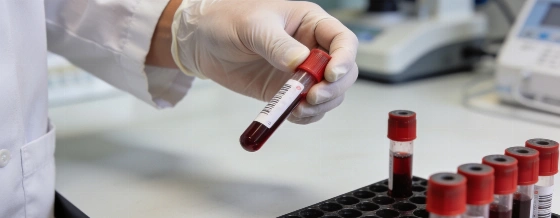
The test works by detecting DNA fragments shed by tumors into the bloodstream, providing a non-invasive way to screen for more than 50 types of cancer. According to the manufacturer, Grail, the test can also indicate the likely location of a cancer in over 90% of positive cases.
Cost, Coverage, and Uncertainty
Despite its promise, the Galleri test raises difficult questions about cost and value. If made available to all Medicare beneficiaries, the test could add an estimated $55 billion per year to the U.S. health care system, according to projections cited by Michigan State University medical ethicist Leonard Fleck. If everyone over age 50 were screened annually, the cost could reach $100 billion each year.
Currently, most Americans are only screened for five cancers-breast, cervical, colorectal, prostate, and lung-leaving many cancers undetected until later stages. Early detection is associated with better outcomes and lower treatment costs, but experts warn that the benefits of widespread blood-based screening are not yet proven. Concerns include false positives, unnecessary follow-up procedures, and the possibility of overdiagnosis-finding cancers that may never become life-threatening.
Weighing Lives and Dollars
Cancer remains a leading cause of death in Michigan, with more than 21,000 residents expected to die from the disease this year, according to the American Cancer Society. Cancer care is also expensive: the first year of treatment averages $45,063, while end-of-life care can exceed $121,000 annually. New cancer drugs are projected to drive national cancer care costs from $99 billion in 2023 to $180 billion by 2028.
Advocates for early detection argue that tests like Galleri could save thousands of lives each year. However, medical professionals and ethicists emphasize the need for clear evidence that such tests actually extend life and improve quality of care before recommending them for widespread use. The U.S. Food and Drug Administration is scheduled to review the effectiveness and safety of the Galleri test in September 2026, and new federal legislation could extend Medicare coverage if the test is approved.
What Happens Next
For now, Michigan residents interested in the Galleri test must pay out of pocket or check if their employer's health plan offers coverage. The debate over the test's value is likely to continue as more data becomes available and as policymakers weigh the balance between potential lives saved and the financial burden on the health care system.
In Michigan, the conversation around early cancer detection reflects broader national questions about how to allocate limited health care resources, the role of new technology, and the definition of value in medicine. As more hospitals and insurers consider offering multi-cancer blood tests, residents and employers will need to weigh the benefits, risks, and costs of these emerging options.
While the Galleri test represents a significant advance in cancer screening technology, its long-term impact on public health and health care spending remains uncertain. Ongoing studies and regulatory review will help determine whether this new approach to early cancer detection becomes a standard part of preventive care in Michigan and beyond.