
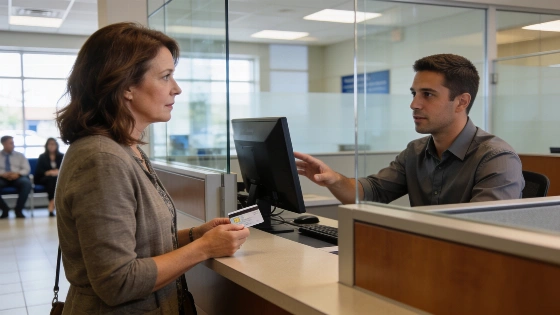
Fifth Third Bank has completed its merger with Comerica Bank, moving 600000 accounts and nearly 300 branches to its system. Former Comerica customers now face new login steps and expanded branch access across five states.
Hundreds of thousands of former Comerica Bank customers woke up this week to find their accounts fully transferred to Fifth Third Bank, but many encountered immediate access issues as the new system went live. The transition, which moved 600000 accounts and 293 branches across Arizona, California, Florida, Michigan and Texas, marks one of the largest recent banking consolidations in the United States.
While balances and scheduled transactions were automatically migrated, some customers reported being unable to log in to their accounts on Tuesday. Fifth Third Bank officials confirmed that all Comerica accounts, balances and scheduled activity are now under the Fifth Third platform, but accessing those funds requires following new digital procedures.
How to access transferred accounts
According to Fifth Third Bank, former Comerica customers must enroll at 53.com/enroll to regain online access. The process requires entering a debit card number and PIN, then setting up a new user ID and password. Customers are guided through a step-by-step process to establish preferences and security settings. Alternatively, users can log in with their Fifth Third account number and Social Security number after identity verification.
These changes are designed to protect accounts from unauthorized access, but the sudden shift has left some customers temporarily locked out or confused about the new requirements. Fifth Third has stated that support is available for those needing assistance with the transition.
Branch network and job changes
The merger has expanded Fifth Third's branch footprint, giving former Comerica customers 60% more access to physical locations, while existing Fifth Third customers gain 42% more branch options. However, the consolidation also led to the closure of 75 branches in Michigan alone, including 55 former Comerica sites and 20 Fifth Third locations. More than 700 jobs were eliminated, with 502 positions cut at Comerica's former operations center in Farmington Hills.
Fifth Third Bank now ranks as the ninth-largest bank in the country, with over $300 billion in assets and operations in 17 of the 20 fastest-growing large U.S. metro areas. The combined company's retail presence now reaches more than half of the U.S. population, according to company statements.
What customers should expect next
Fifth Third Bank leadership has emphasized that the merger's goal is to deliver a unified experience and expanded services to all clients. The company says it will continue monitoring the customer experience and provide support as needed. Customers are encouraged to complete the new enrollment process promptly to avoid disruptions in account access or scheduled transactions.
For residents in Michigan and other affected states, the merger means broader access to banking services but also fewer local branches and significant job losses in some communities. The scale of this transition underscores the ongoing consolidation trend in the banking industry, where efficiency gains often come at the expense of local jobs and familiar service locations. As Fifth Third cements its position as a national banking power, customers and communities will need to adapt quickly to new systems and a reshaped local banking landscape.
The merger between Fifth Third Bank and Comerica was finalized on February 1, with the full conversion of accounts and branches completed as of this week. Fifth Third's approach-automated transfers, new digital enrollment, and a focus on branch network optimization-reflects the priorities of large-scale banking in 2026: streamlined operations, digital-first access, and aggressive cost management. For customers, the immediate challenge is navigating the new login process and understanding the changed branch network, while for affected communities, the loss of jobs and local branches is a stark reminder of the real-world impact of financial industry consolidation.