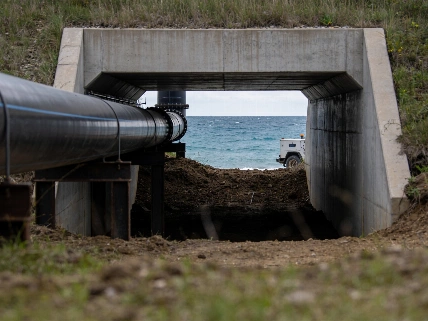
Michigan wants residents to say what a new infrastructure guide should explain about roads and drinking water. The 11-question survey takes about 10 minutes and closes Oct. 30, 2026.
Michigan Public reported Oct. 11 that the state was still collecting residents' questions for a planned infrastructure guide.
Residents have until Oct. 30, 2026, to weigh in. The Michigan Infrastructure Council is using an 11-question online survey to find out what people want the guide to explain. It will cover roads and drinking water. Energy systems and internet access are also in scope, along with other infrastructure.
The council expects to publish the Citizen's Guide to Infrastructure Systems in spring 2027. The survey takes about 10 minutes to complete and is available on the Michigan Infrastructure Council website.
Residents are asked which infrastructure issues matter most to them. They are also asked how service disruptions affect daily life and where they currently get information about projects or outages. The council says responses will help it prioritize topics and present them in an accessible format.
A separate Michigan survey report found local leaders more concerned about data centers' water use and utility bills than persuaded by possible benefits. Those concerns show why residents need clear information about how infrastructure systems work and who is responsible for them.
The planned guide will explain how Michigan's infrastructure systems operate and are funded. It will identify who maintains them, and cover factors that influence project decisions. Public feedback will help determine which information gets priority. The survey is not a vote on a specific project or funding decision.
For Farmington-area residents, the survey offers a way to connect state-level systems with services closer to home. That includes decisions involving the City of Farmington. It also includes the City of Farmington Hills.
Recent statewide examples show how infrastructure decisions affect daily life. The Michigan Department of Transportation said that beginning Oct. 12, one lane was to remain open on each of the eastbound and westbound M-3 ramps between I-75 and Gratiot Avenue in Detroit during utility relocation work. MDOT also estimated that replacing a culvert on M-80 in Chippewa County would cost about $300,000. Work was scheduled to begin Oct. 16.
Energy costs and investment are another part of the picture. The Michigan Public Service Commission reported that energy-waste-reduction programs implemented in 2025 are expected to generate more than $1.44 billion in combined utility-bill savings for consumers. The commission's programs and savings update offers one example of the costs and benefits the guide may help residents understand.
MIC Chair Palencia Mobley, P.E., said the aim is to help residents understand the systems they rely on. The guide should help them ask informed questions and take part in decisions affecting their communities. The council is seeking input before setting the guide's final focus.
Residents can flag information gaps before the guide is written. The publication's value will depend on whether it clearly explains who is responsible and how infrastructure projects are funded. It should also spell out how project decisions are made.
The survey accepts responses through Oct. 30, 2026.