The Michigan Strategic Fund has awarded $50 million in state grants for land and road improvements at the proposed Copperwood Mine in Gogebic County, aiming to revive the region's economy despite ongoing environmental concerns and public opposition.
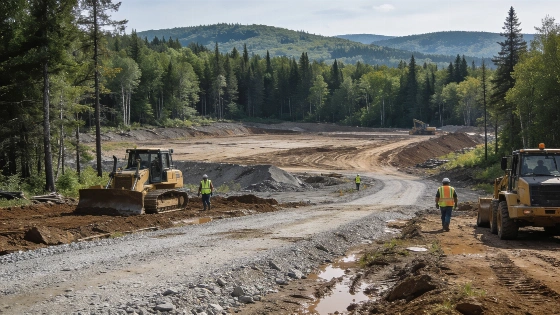
The Michigan Strategic Fund has approved $50 million in state grants to support the proposed Copperwood Mine in the far western Upper Peninsula, marking a major step forward for a project that has faced years of debate and repeated funding attempts. The funding, announced after a board vote on Tuesday, will go toward land and road improvements needed for the mine's development in Gogebic County.
Highland Copper Inc., a Toronto-based company, has been seeking state support since 2023 for the $425 million project, which is expected to create 380 jobs over an estimated 11-year operational period. The mine would be the first new copper mine in the Upper Peninsula since 1955, according to state officials.
Funding Details and Project Scope
The grant includes $45 million for site readiness and $5 million for road upgrades in Wakefield Township, with the latter awarded to the Gogebic County Road Commission. The funds come from the now-defunded Strategic Operating and Attraction Reserve (SOAR) Fund, which had previously been allocated but remained unused. Because the money was already set aside, lawmakers did not need to approve the grant at this stage.
Highland Copper has indicated it will update its project cost estimates by March, possibly considering a smaller facility to reduce power and supply needs. The company has not confirmed whether the original target of 380 new jobs will remain unchanged. So far, about $15 million has been spent on the project, with construction targeted to begin in 2028 following a revised feasibility study.
Public Response and Environmental Concerns
The grant approval followed more than two hours of public comment, with many residents and environmental advocates voicing concerns about potential pollution risks to Lake Superior and the Porcupine Mountains. Most speakers opposed the project, questioning whether the economic benefits outweigh the environmental and taxpayer costs. Some critics argued that the project relies heavily on public funding due to a lack of private investment.
Despite opposition, supporters-including local lawmakers and economic development groups-argued that the mine could help reverse economic decline in the region. Recent polling cited by proponents suggested that 70% of Michigan residents support the project. The Strategic Fund board approved the grant by a 7-2 vote.
Timeline of State Support Efforts
The Copperwood Mine proposal has been under consideration for several years. The Michigan Economic Development Corp. first offered Highland Copper a $50 million subsidy in 2021, but multiple attempts to secure public funding failed until this week. Previous efforts included conditions requiring the company to secure $150 million in private capital before receiving state funds, and legislative earmarks for infrastructure improvements that did not make it into the state budget.
Highland Copper is still seeking additional financing, including a potential $250 million loan from the Export-Import Bank of the United States, though no deal has been finalized. The state's grant now covers nearly 10% of the project's estimated cost.
Next Steps and Oversight
Under the terms of the grant, Highland Copper must demonstrate $150 million in additional financing by spring 2028 and provide documentation of anticipated spending. The company is also required to create 380 jobs and complete infrastructure improvements by March 31, 2033. If the overall investment or job creation targets are reduced, the state may lower the grant amount accordingly.
The Copperwood Mine is expected to add to U.S. copper production at a time when demand for the mineral is rising due to electronics and data center growth. State officials and project supporters say the infrastructure improvements funded by the grant will benefit the region for decades, regardless of the mine's long-term outcome.
The Michigan Strategic Fund is responsible for administering economic development grants and incentives across the state. Its decisions are typically based on project viability, economic impact, and alignment with state priorities. The Copperwood Mine grant represents one of the largest recent state investments in Upper Peninsula infrastructure and economic development.