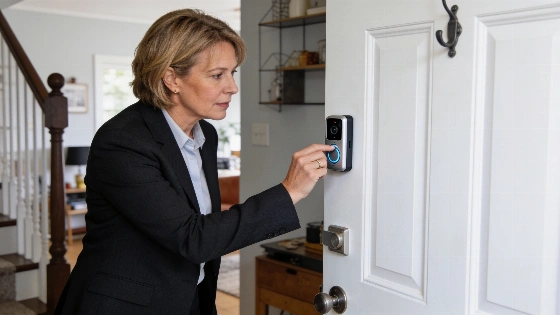
Federal judges across the U.S. are taking new steps to protect themselves and their families as threats and harassment rise, with recent studies showing a 57% increase in serious security incidents over the past year
Federal judges in the United States are adopting heightened security measures in response to a significant rise in threats and harassment, according to two recent studies by legal scholars. The reports reveal that judges have installed panic buttons, hired private security, and made changes to their daily routines to safeguard themselves and their families.
These developments come as the federal judiciary faces a surge in security incidents, with a 57% increase in cases deemed of "significant concern" in the year ending September 2025. The agency overseeing the U.S. court system expects this trend to continue, raising concerns about the safety of judges and the integrity of the judicial process.
Judges Report Heightened Anxiety
The studies, conducted by researchers at New York University, the University of California, Berkeley, and the Brennan Center for Justice, are based on interviews with dozens of current and retired federal judges. Many judges described feeling overwhelmed and anxious, with some reporting difficulty sleeping and persistent worry for their families' safety. Security upgrades mentioned include the installation of cameras, panic buttons, and even the construction of safe rooms in their homes.
One judge, who spoke anonymously, admitted to nearly altering a legal ruling out of fear for their family's safety, ultimately deciding to follow the law after considerable internal debate. Another judge reported receiving over 700 threatening phone calls after presiding over a high-profile immigration case, prompting further security enhancements at home.
Impact on Judicial Independence
Legal experts warn that the escalation in threats could undermine the rule of law by pressuring judges to consider personal safety when making decisions. Gowri Ramachandran, director of elections and security at the Brennan Center and co-author of one of the reports, emphasized the long-term risks to judicial independence if such threats persist.
The NYU-Berkeley study interviewed 32 active U.S. district and appellate judges, evenly split between those nominated by Democratic and Republican presidents, along with two magistrate judges. The Brennan Center's research included 35 sitting and retired federal judges, eight of whom were nominated by Republican presidents. Both reports recommend increased funding for judicial security and stronger protections for judges' personal information. The NYU-Berkeley report also calls for more prosecutions of individuals who make threats, noting that few cases have resulted in charges.
Personal Stories Highlight Risks
U.S. District Judge Esther Salas, who participated in both studies, shared her experience of losing her son, Daniel Anderl, in a 2020 attack at her home. Since then, she and other judges have faced ongoing harassment, including unsolicited deliveries and threats. Salas expressed concern that repeated public attacks on judges, including those by former President Donald Trump, have increased the risks facing the judiciary and could desensitize the public to harmful rhetoric.
According to the reports, judges have faced a range of intimidation tactics, from doxxing and threatening messages to unwanted deliveries. The studies underscore the need for ongoing vigilance and institutional support to ensure the safety and independence of the federal judiciary.
Federal judicial security is managed by the U.S. Marshals Service, which works with local law enforcement and the courts to assess risks and implement protective measures. The recent findings have prompted calls for Congress to allocate additional resources and consider legislative changes to better protect judges and their families.