A new retail incubator in downtown Farmington is giving small business owners a chance to test brick-and-mortar locations with 90-day leases, helping them move from online or pop-up sales to permanent shops.
Downtown Farmington's new retail incubator program is providing local entrepreneurs with a rare opportunity to operate a physical storefront on a short-term basis, aiming to help small businesses transition from online or pop-up sales to permanent locations. The program, launched by the Farmington Downtown Development Authority (DDA), offers a 400-square-foot retail space at 23607 Farmington Road for 90-day leases, allowing business owners to test the viability of a brick-and-mortar shop without the long-term commitment or high upfront costs typically associated with commercial leases.
The first participant in the program is The Lowry Estate, a vintage clothing business owned by Corliss Elizabeth Williams. After years of operating online and in pop-up settings, Williams is now running her first downtown storefront in Farmington. The incubator space, located next to Jill's Pharmacy, is designed for makers, artisans, vintage retailers, and specialty merchants who have outgrown temporary sales venues but are not yet ready for a full commercial lease.
The DDA partnered with property owner Freddy Sackllah to create the incubator space, reorganizing the building to carve out a street-facing retail area while Sackllah's law office continues to operate in the rear. Both the DDA and Sackllah & Associates invested in the buildout. The DDA rents the space for $1,000 per month and charges the same amount to incubator tenants, aiming to provide a realistic test of business viability. In addition to the space, the DDA assists tenants with signage, graphic design, and city approval paperwork, helping to lower the barriers to opening a storefront.
Retail incubators like Farmington's are becoming more common across Michigan, according to the Michigan Retailers Association. These programs offer entrepreneurs a lower-risk way to trial a physical location, gather feedback from local customers, and refine their business models before committing to a permanent lease. Similar initiatives have launched in other Michigan cities, including TechTown Detroit's SHOP Detroit program in the Fisher Building and the Downtown Retail Incubator Program (DRIP) in Grand Rapids. These programs provide retail space, business coaching, workshops, and consulting to help small businesses grow and eventually secure permanent locations.
Learning Through Experience
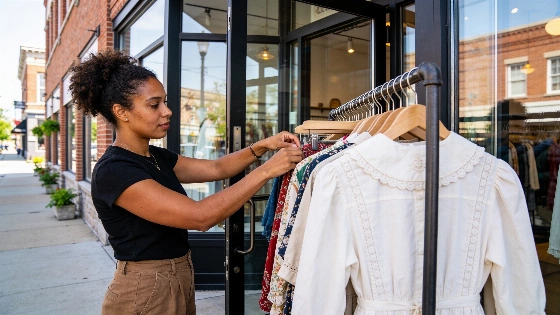
Williams says the Farmington incubator has given her valuable insights into her business, especially through direct customer feedback and increased foot traffic compared to her previous location on Orchard Lake Road. The three-month lease allows her to experiment with merchandising and operations in a downtown setting. On a recent afternoon, Williams displayed clothing racks and a mannequin outside her shop, drawing in passersby who might not have discovered her business otherwise. Local residents, like Martha Koopman, have responded positively to the concept, appreciating the chance to browse unique offerings from small retailers in a downtown setting.
Other Michigan incubator programs follow a similar model. TechTown Detroit's SHOP Detroit places entrepreneurs in retail spaces for periods ranging from eight weeks to a year, providing one-on-one coaching and support. Since its launch in 2022, SHOP Detroit has placed 20 businesses in incubator spaces, generating over $2.3 million in revenue and helping several participants move into permanent locations. In Grand Rapids, DRIP has recruited 11 small businesses, offering discounted space and monthly workshops to help operators build foundational retail skills and prepare for future expansion.
Next Steps for Local Entrepreneurs
Williams' time in the Farmington Retail LAB is scheduled to end on September 15, when another vintage retailer, Valbona Vintage, will take over the space as the next incubator participant. Williams hopes the experience will eventually lead to a permanent storefront for The Lowry Estate in Farmington. She sources her inventory through thrifting and donations, carefully researching each piece and providing transparent information about materials and pricing to customers. The business is also a family affair, with her daughter often helping in the shop and family heirlooms displayed as part of the store's atmosphere.
Retail incubator programs like Farmington's are designed to help small businesses learn by doing, offering a practical pathway from online or pop-up sales to a permanent presence in the community. As available storefronts in downtown Farmington remain limited, the DDA sees the incubator as a way to generate more retail activity and support local entrepreneurs as they grow.
Retail incubators are typically managed by local development authorities or nonprofit organizations in partnership with property owners. They provide short-term, affordable leases and support services to help entrepreneurs test their concepts in a real-world setting. Successful participants often move on to secure permanent locations, contributing to the vibrancy and diversity of downtown business districts.
- Farmington
- Development & Real Estate
- Commercial Development
- Business & Economy
- Local Business
- Community & Culture
- Arts & Culture
- Local Regions and Districts
- Downtown Farmington
- Oakland County Municipalities
- Detroit
- Grand Rapids
- Municipal Boards and Authorities
- Farmington Downtown Development Authority
- Grand River Avenue
- Orchard Lake Road