Eastern Michigan University will use $30,000 in new funding to organize and digitize the River Street Anthology, making hundreds of recordings and photos from Michigan's independent music scene accessible to the public for the first time
Hundreds of rare recordings and photographs from Michigan's independent music scene are set to become publicly accessible as Eastern Michigan University launches a $30,000 project to digitize and preserve the River Street Anthology. The initiative aims to transform a sprawling, privately held collection into a permanent digital resource for researchers, musicians, and the public.
The River Street Anthology, now housed at the EMU Archives, contains more than 600 audio and video recordings and over 1,000 photographs documenting musicians and music communities from the Keweenaw Peninsula to Monroe. The collection, which began in 2015 as a grassroots effort to capture the stories of Michigan artists after a wave of venue closures, has grown into a unique record of the state's creative life.
Funding and Project Scope
EMU's project is supported by a $20,000 Library of Michigan Library Services and Technology Act award and $10,000 in private funding. The university will use the funds to identify, consolidate, and process the collection's digital assets, standardize metadata, and build a public digital portal using OmekaS software. The work will also establish preservation workflows to ensure the archive remains accessible as technology evolves.
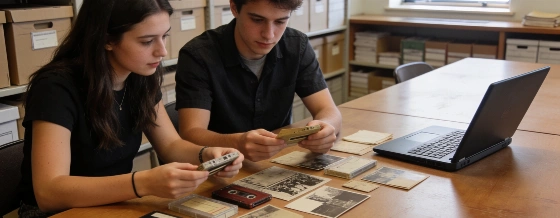
According to EMU, the funding will allow students to help organize the materials and support ongoing documentation of Michigan musicians. The university plans to make selected audio, video, and photographic materials available online, turning what was once a static folder of files into a living resource for teaching and community engagement.
Origins and Community Impact
The River Street Anthology was created by Matt Jones, an audio engineer and director of EMU's Center for Oral History Research, in response to the closure of music venues in Ypsilanti and across Michigan. Working with videographer Charlie Steen and photographer Misty Lyn Bergeron, Jones traveled thousands of miles to record artists from a wide range of genres and backgrounds. The project's mission expanded from simply preserving recordings to capturing the relationship between independent musicians and their communities.
After several years of fieldwork, the collection was transferred from the Archives of Michigan in Lansing to EMU, where it is now being prepared for public access. Organizers hope the project will not only safeguard the existing archive but also enable future field recordings and public events, with graduate students potentially taking the anthology "back on the road."
Broader Context and Next Steps
Once the digital portal is live, EMU plans to host listening and viewing events to encourage public engagement with Michigan's music history. The project's approach mirrors other recent efforts to preserve local heritage, such as the reported earlier relocation of native mussels ahead of dam removal in Ypsilanti, which also relied on collaboration between institutions and community members.
Eastern Michigan University, located in Southeast Michigan, serves more than 12,000 students and emphasizes applied learning through research, internships, and community projects. The River Street Anthology initiative reflects the university's commitment to connecting students with real-world experiences while preserving the state's cultural legacy.
By investing in the long-term stewardship of the River Street Anthology, EMU is setting a practical example for how public institutions can safeguard local history and make it accessible to future generations. The project's success will depend on sustained support, but its immediate impact is clear: Michigan's independent music scene will no longer be hidden in private archives, but open for exploration, study, and inspiration.