Federal contractors, escorted by armed agents, have started building a border wall segment in southern Arizona, entering Tohono O'odham Nation land despite tribal objections and ongoing legal disputes over sacred sites and property rights.
Construction crews, accompanied by armed federal agents, have begun work on a new section of border wall in southern Arizona, entering land belonging to the Tohono O'odham Nation despite the tribe's objections and legal efforts to halt the project. The development marks a significant escalation in the ongoing dispute between the federal government and the Native American community over land use and cultural preservation.
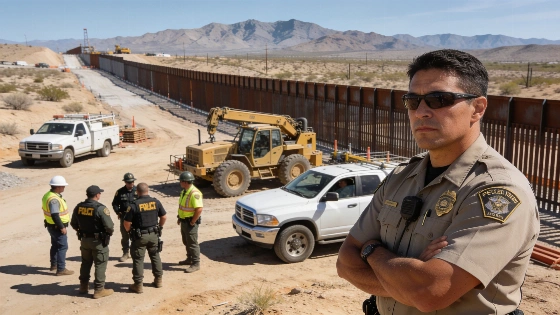
The Tohono O'odham Nation reported that approximately 20 U.S. Customs and Border Protection (CBP) officers escorted contractors onto tribal land early this week to begin construction activities. According to tribal officials, the contractors and agents accessed three separate locations near the U.S.-Mexico border, bringing in vehicles and industrial equipment to conduct soil sampling and other preparatory work.
Tribal Concerns and Legal Actions
Members of the Tohono O'odham Nation, whose reservation spans both sides of the border, have strongly opposed the project, citing concerns about trespassing and the potential destruction of land and mountain peaks considered sacred. The tribe filed a lawsuit against the federal government in June, arguing that the wall would cause significant harm to their reservation and alter its boundaries. Despite these efforts, a federal judge in Washington, D.C. ruled earlier this month that construction could proceed, stating that the wall would be built within a federally owned buffer zone known as the Roosevelt Reservation.
Tribal officials maintain that even if the wall itself is built on federal land, the act of driving onto tribal property to access the site constitutes trespassing and violates tribal codes. The nation had posted "No Trespassing" signs prior to the arrival of contractors and agents. So far, there have been no reports of physical confrontations between tribal police and federal personnel, but the situation remains tense as the tribe explores further legal options.
Federal Justification and Project Details
CBP officials have defended the project, describing the area as a longstanding corridor for drug smuggling and unauthorized border crossings. In a public statement, CBP Commissioner Rodney Scott said the new wall segment is intended to close one of the most dangerous trafficking routes along the Southwest border, which has seen decades of illicit activity and migrant deaths.
The Arizona construction is part of a broader $46 billion federal initiative to install 30-foot steel bollard walls, vehicle barriers, and surveillance technology along the U.S.-Mexico border. The Texas-based contractor SLSCO Ltd. has received more than $390 million in Department of Homeland Security funding since 2023 to build border wall sections, including the current project in Arizona.
Community Impact and Next Steps
The Tohono O'odham Nation, with a membership of 37,000 including thousands living in Mexico, continues to voice concerns about the impact of construction on their land, culture, and sovereignty. Tribal leaders say they are considering additional legal actions to remove contractors and prevent further encroachment. The federal government, meanwhile, has not indicated plans to build outside the Roosevelt Reservation but has not addressed the tribe's concerns about access routes crossing tribal land.
Drone footage released by the tribe shows multiple vehicles and heavy equipment at the construction sites. Tribal officials report that CBP agents established vehicle blockades to prevent tribal police from intervening. The situation highlights ongoing tensions between federal border security initiatives and the rights of Indigenous communities whose lands are directly affected by such projects.
The dispute over the Arizona border wall segment reflects broader national debates about property rights, cultural preservation, and the balance between security and community interests. As construction continues, the Tohono O'odham Nation's legal and advocacy efforts are expected to shape the next phase of the conflict.
The Roosevelt Reservation, established in the early 20th century, is a federally owned strip of land along the border intended for public works. While the federal government has authority over this buffer zone, access to it often requires crossing tribal or private property, leading to disputes like the current one in Arizona. The outcome of the Tohono O'odham Nation's legal challenges may influence how future border projects interact with Indigenous and private lands across the Southwest.