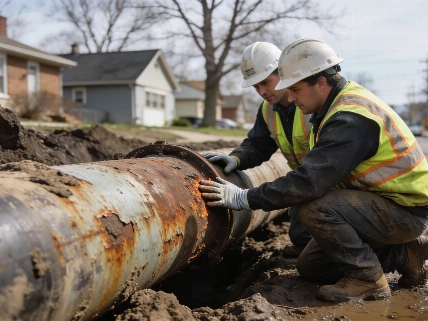
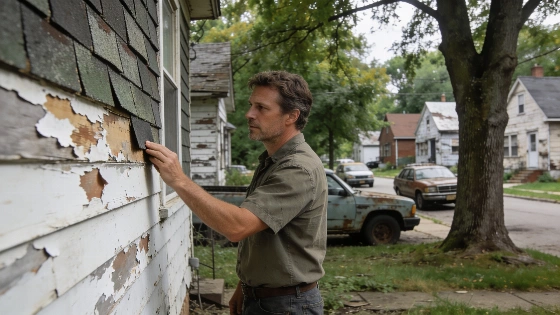
Michigan's median home was built in 1973, making the state's housing stock among the oldest in the nation. As officials work to address a shortage of nearly 97,000 homes, aging properties present costly barriers for buyers and complicate new construction.
Michigan's housing market faces a growing challenge as the state's homes continue to age, complicating efforts to address a persistent housing shortage. With the median Michigan home built in 1973, about 60% of the state's occupied housing units were constructed in or before the 1970s, according to state housing data. This aging stock is especially concentrated in cities like Detroit and Grand Rapids, but older homes can be found in communities across Michigan.
For many buyers, particularly first-time homeowners, the age of these properties means higher repair costs and potential safety concerns. Common issues include outdated water heaters, deteriorating roofs, and aging foundations. Some homes still contain hazardous materials such as asbestos tile or lead-based paint, and older electrical systems can require expensive upgrades. These factors have contributed to the median age of first-time homebuyers rising to 40, the highest on record, according to the National Association of Realtors.
Statewide Shortage and Policy Response
Michigan's housing shortage remains a pressing issue. In 2022, state officials estimated a gap of about 190,000 homes needed to meet demand. That figure has since dropped to approximately 97,000, but the pace of new construction has not fully recovered from the slowdown that followed the Great Recession. In 2005, developers secured permits for 54,000 single-family homes, but by 2009, that number had plummeted to just 6,900. The recession, combined with a surge in homebuilding in the South after Hurricane Katrina, led many Michigan builders to leave the state, further stalling local development.
To address these challenges, Michigan has implemented a statewide housing plan and introduced measures such as repealing certain building regulations and creating a new state-level tax credit for home construction. However, broader zoning reforms have stalled in the legislature, and local resistance has slowed progress. Both major gubernatorial candidates, Jocelyn Benson and John James, have proposed ideas to make housing more affordable, but neither has outlined a comprehensive plan to address the specific challenges posed by aging homes.
Repair Costs and Assistance Programs
The financial burden of maintaining or renovating older homes can deter buyers and strain existing homeowners. Major repairs-such as replacing roofs, windows, or furnaces-are often necessary after 30 to 50 years, and some properties require updates to meet modern safety standards. Michigan offers tax credits for preserving historic homes, but many properties do not qualify. The state also provides first-time homebuyer and home-repair programs, including initiatives focused on improving energy efficiency. Other states, such as Minnesota and Maryland, have launched similar programs offering home improvement loans or grants, particularly for low-income residents.
Experts note that Michigan's older housing stock is partly the result of economic factors. The state's close ties to the auto industry meant it was hit especially hard during the Great Recession, leading to a prolonged period of underbuilding. Nationally, a recent Harvard University report found that one in four U.S. homeowners lives in a home built before 1960, and many struggle to keep up with maintenance costs compared to those in newer homes.
What's Next for Michigan Housing
As Michigan works to close its housing gap, the age of existing homes remains a significant obstacle. State officials and housing advocates agree that maintaining and modernizing older properties is essential to keeping them available and safe for residents. Proposals to streamline permitting, invest in water infrastructure, and help families with weatherization are under discussion, but comprehensive solutions have yet to be enacted.
For residents interested in broader community initiatives, Michigan's approach to housing challenges is part of a larger trend of local governments adapting to changing needs. For example, libraries across southeast Michigan have expanded community services and literacy programs, as highlighted in a recent article on new outdoor StoryWalks and library initiatives.
Addressing Michigan's aging housing stock will require coordinated action from state and local leaders, developers, and homeowners. As the debate continues, the next steps will likely focus on balancing new construction with investments in existing homes to ensure safe, affordable housing for Michigan residents.
- Local Government
- Planning & Public Hearings
- Michigan Politics
- Development & Real Estate
- Housing & Neighborhoods
- Property Taxes & Homeownership
- Homeownership Costs
- Detroit
- Grand Rapids
- Michigan State Housing Development Authority
- Historic District
- Affordable Housing
- Michigan Housing Plan
- Weatherization Assistance Program