Residents in Farmington Hills and neighboring cities are being asked to weigh in on deer-related problems, from car crashes to property damage, as part of a new regional survey open through November 1
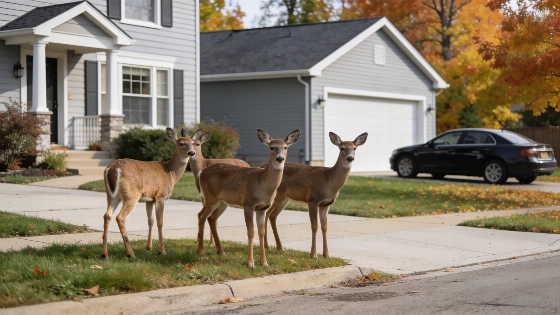
Deer are no longer just a woodland sight in Southeast Michigan-they're a daily reality in neighborhoods, gardens, and even on busy roads. Now, residents are being called on to shape how local governments respond to the growing urban deer population, as the Southeast Michigan Urban Deer Coalition launches a new survey to gather public input on the issue.
The "2026 Deer Management Pulse of the Region Survey," conducted in partnership with the Southeast Michigan Council of Governments (SEMCOG), is open through November 1. The coalition is urging residents from cities including Farmington Hills, Farmington, and Southfield to participate, citing a surge in complaints about deer-related vehicle accidents, property damage, and public health concerns.
Deer Collisions and Property Damage
For many, the impact is more than a passing nuisance. Southfield Mayor Ken Siver has reported that his city averages at least two deer-vehicle crashes every week. In Farmington Hills and neighboring communities, residents have described hundreds or even thousands of dollars in landscaping losses, with deer frequently seen in yards and gardens. According to a recent survey in the Village of Beverly Hills, 81% of respondents see deer in their neighborhood daily, and 63% encounter them on their own property every day.
Attempts to keep deer at bay-ranging from fencing and repellents to deer-resistant plantings-have produced mixed results. Despite these efforts, complaints about garden destruction, deer droppings, and even aggressive deer continue to mount. The Beverly Hills survey found that 78% of residents cited garden and landscaping damage as their top concern, followed by 57% worried about vehicle accidents and 56% about tick-borne diseases.
Regional Cull Efforts and Survey Goals
Earlier this year, Farmington Hills, Farmington, and Southfield became the first metro Detroit cities to coordinate a regional deer cull, aiming to reduce the population by 400 using USDA sharpshooters. The operation fell short, with only 70 deer removed due to weather and limited access to suitable land. Interest in similar culls is growing in other communities, including Livonia and Beverly Hills, but logistical hurdles and permit requirements from the Michigan Department of Natural Resources (DNR) remain significant obstacles.
The coalition's new survey is designed to capture the full range of resident experiences and opinions, from those who value deer as part of the local environment to those who see them as a hazard. Respondents are asked to rate how much they value deer in their community, with the Beverly Hills survey showing an average score of just 3 out of 10. Nearly 85% of those surveyed in Beverly Hills said they would support working with neighboring communities on deer management strategies.
What Happens Next
As deer populations continue to rise in Southeast Michigan, the coalition is betting that direct resident feedback will help guide future policy decisions. The survey's results are expected to inform not only potential culls but also non-lethal management options and regional cooperation. Residents can review the survey questions and submit their input through the SEMCOG Deer Study website until November 1.
Urban deer are no longer a fringe issue-they're a daily challenge for thousands of households, drivers, and local governments. The coalition's willingness to seek broad public input is overdue, but the real test will be whether city leaders act on what residents say. If the numbers from Beverly Hills are any indication, patience with the status quo is running out, and the demand for coordinated action is only getting louder.
Local governments in Southeast Michigan typically require permits from the DNR for any deer cull, and the availability of USDA sharpshooters can be limited, especially during winter months. The coalition's survey is part of a broader effort to document the scale of the problem and build consensus for future management strategies. Residents interested in participating can find the survey on the SEMCOG website.