Debate claims about data-center tax breaks in Georgia and electricity bills in Maine drew scrutiny. Michigan candidates pitched fuel-tax relief, while other attacks omitted procedural or cost details.
The Green New Deal resolution was introduced in 2019, before Jon Ossoff served in the Senate. Mike Collins blamed Ossoff for inflation by tying him to the measure. It never became law and created no binding tax or energy policies.
The Georgia clash was one of several recent Senate-debate disputes over household costs. Several campaign attacks left out procedural details or key costs.
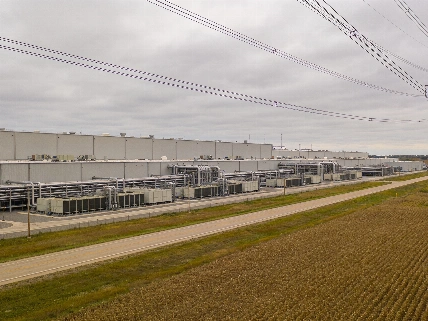
The Institute on Taxation and Economic Policy estimated that Alphabet and Amazon together received about $70 billion in tax savings through accelerated depreciation and other provisions. Its estimate also covered Meta and Microsoft, plus Oracle. Ossoff voted against the law; Collins supported it. PolitiFact noted that the tax provision was not written exclusively for data centers.
The debate also turned to oversight of data centers and their potential demands on electricity grids and local resources. Collins linked Ossoff to the Green New Deal, though the resolution set out policy goals rather than binding measures. PolitiFact reported that the candidates agreed data centers need oversight. Its debate fact-check also distinguished the resolution from enacted law.
Maine household electricity prices rose from 13.44 cents per kilowatt-hour to 19.66 cents during the period examined by WMTM. That was an increase of 6.22 cents, or about 46%. The station reported that renewable-energy programs accounted for a small share of the rise. Higher regional natural-gas prices and costly repairs to storm-damaged infrastructure were among the main factors.
The debate also referenced LD 1347, which aimed to limit costs in the Net Energy Billing program. LD 1986 later reformed the program and was signed into law. WMTM's Maine debate fact-check detailed the tariff figures and the bill's route through the Senate.
Rogers called for a pause at both the state and federal levels. The Michigan proposal discussed onstage was a campaign pitch, not an enacted tax change. A separate debate over a possible state fuel-tax pause was covered in an earlier gas-tax report.