Oakland County commissioners have allocated up to $1.5 million to support Planned Parenthood's Ferndale clinic, ensuring continued reproductive health services after closures in Livonia and Warren. The funding extends operations through August 2028.
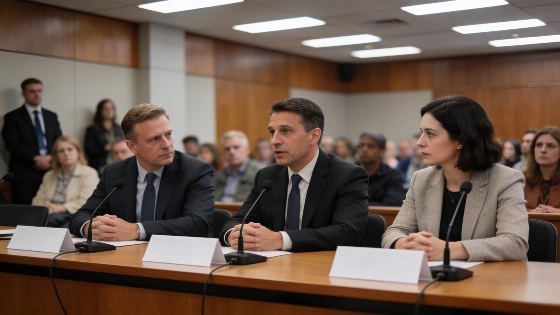
Oakland County's Board of Commissioners has approved up to $1.5 million in funding for Planned Parenthood's Ferndale clinic, a move aimed at maintaining reproductive health services following the closure of two other area clinics. The decision came after a lengthy public meeting on Thursday, where commissioners heard from dozens of residents both supporting and opposing the funding.
The funding, allocated through the county's health division, is intended to keep the Ferndale clinic open through at least August 2028. This follows the permanent closure of Planned Parenthood's Livonia and Warren health centers in July 2025, which left a gap in local access to reproductive health care. According to county officials, the Ferndale clinic served more than 6,000 visits between July 2025 and June 2026.
Commission Vote and Public Response
The resolution passed by a vote of 11-6, with all but one Democratic commissioner supporting the measure. Commissioner Kristen Nelson was the sole Democrat to vote against the funding, citing concerns about the commission not having reviewed the contract for the taxpayer allocation. Two Republican commissioners, Philip Weipert and Mike Gingell, were absent from the vote.
Public comments during the meeting reflected a deep divide. Opponents, including some Republican commissioners and anti-abortion groups, objected to public funding for an organization that provides abortion services and participates in political advocacy. Supporters argued that Planned Parenthood offers essential reproductive health services, such as cancer screenings and STI testing, that are not otherwise easily accessible for many residents.
Funding Background and Service Impact
This is the second time in a decade that Oakland County has provided direct funding to Planned Parenthood. In 2019, the board approved $500,000 to support Title X family planning services after federal rule changes restricted the organization's access to those funds. The current appropriation was proposed in response to ongoing Title X restrictions and a lack of Medicaid reimbursement following the passage of the One Big Beautiful Bill in July 2025.
County Commission Chairman Dave Woodward described the funding as an emergency measure to preserve the local social safety net. Planned Parenthood of Michigan's CEO, Paula Thornton Greear, stated that the county funds would not be used for the organization's political activities. Some Republican commissioners called for an audit of county dollars spent on Planned Parenthood services.
Community Perspectives and Next Steps
During the meeting, residents shared personal stories about the importance of Planned Parenthood's services, while others voiced strong opposition to abortion. Anti-abortion protesters gathered outside the county building during the vote. Despite the controversy, the resolution was met with applause from supporters in the audience.
Oakland County Executive Dave Coulter expressed support for the board's decision, emphasizing the importance of continued access to reproductive health care for county residents. The funding ensures that the Ferndale clinic will remain operational for at least two more years, with the possibility of further review as the expiration date approaches.
The Oakland County Board of Commissioners is responsible for appropriating county funds and overseeing public health initiatives. Funding decisions for health services are typically made in response to changes in federal or state policy, local service gaps, or community needs. The board's actions reflect ongoing debates over the use of public funds for reproductive health services in Michigan and across the country.