Mike Rogers is making a second bid for the U.S. Senate in Michigan, emphasizing bipartisan credentials and outreach to Democrats after a narrow 2024 loss. The campaign now targets key issues like education, housing, and affordability.
Mike Rogers, a Republican and former U.S. House member, has re-entered Michigan's U.S. Senate race, aiming to win the seat that narrowly eluded him in 2024. After months of preparation and support from President Donald Trump, Rogers is now focusing on presenting himself as a more experienced and less polarizing alternative to Democrat Abdul El-Sayed.
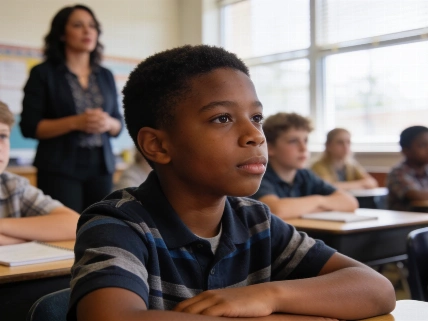
Rogers has highlighted his background as a military veteran, FBI agent, and his family's middle-class roots, while emphasizing bipartisan work during his time in Congress. His campaign is centering on practical policy proposals, such as requiring shop classes in schools and expanding affordable housing options.
Campaign Strategy and Key Issues
Since the primary, Rogers has stepped up efforts to appeal to moderate voters, including Democrats dissatisfied with their party's nominee. He has criticized El-Sayed on a range of issues, calling him a "conman" and questioning his ability to deliver on campaign promises. Rogers has also addressed concerns among Jewish Democrats regarding El-Sayed's positions on Israel, a topic that has generated ongoing debate within the party.
El-Sayed, in response, has labeled Rogers "Mike Dodgers" for declining additional debates and has scrutinized Rogers' post-congressional career in the private sector. The Democratic nominee argues that Rogers has benefited financially from relationships built during his time in Congress.
Both campaigns are working to define each other early in the general election cycle, with Oakland University professor David Dulio noting that each side is trying to shape public perception before voters make up their minds.
Lessons from 2024 and New Challenges
Rogers lost the 2024 Senate race by about 19,000 votes, underperforming Trump in Michigan by roughly 123,000 votes. This cycle, he has started his campaign earlier, improved fundraising, and enjoys stronger support from the Republican base. The seat is considered a top target for national Republicans hoping to flip control in the Senate.
However, the political environment has shifted. Without Trump at the top of the ticket and with midterm dynamics typically favoring the party not in the White House, Rogers faces new challenges in mobilizing voters. Experts suggest that turnout among Trump supporters may dip, and close alignment with the former president could be a tougher sell in the general election.
Reaching Across the Aisle
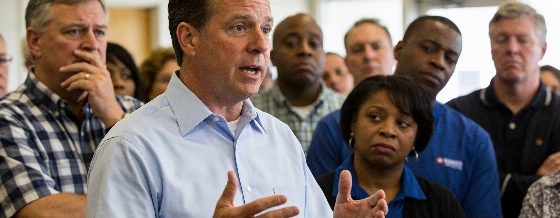
After El-Sayed's primary win, Rogers' campaign made direct appeals to Democrats, especially those who supported Haley Stevens. Rogers appeared in Detroit with self-identified Democrats who pledged to back him in November, arguing that his approach would better serve Michigan's long-term interests. Some Democratic leaders, however, dismissed these efforts as political spin.
Rogers' reputation for bipartisanship, particularly from his work on the House Intelligence Committee, has been complicated by his alignment with Trump in recent years. He has repeated some of Trump's disputed claims about the 2020 election and questioned his own 2024 loss. When asked about his relationship with Trump, Rogers acknowledged differences but argued that the former president's proposals on education, housing, and manufacturing align with Michigan voters' priorities.
Michigan Democratic Party Chair Curtis Hertel has argued that Rogers' consistent support for Trump's policies, including tax cuts and health care changes, will not appeal to Democrats or residents concerned about the impact of those policies.
Debate Over Israel and Party Unity
Divisions within the Democratic Party over Israel have become a focal point in the race. El-Sayed, a critic of U.S. aid to Israel, has pointed to the significant spending by the American Israel Public Affairs Committee (AIPAC) in the primary as evidence of outside influence. While AIPAC is interested in supporting Rogers, his campaign has expressed caution about publicizing that support given the current political climate.
Controversy also arose when Twitch streamer Hasan Piker, who campaigned with El-Sayed, made remarks about Jewish Americans and Israel that drew criticism from several Michigan Democrats. El-Sayed distanced himself from Piker's comments, stating that only he and his campaign speak for his candidacy. Rogers, meanwhile, called for Michigan Democrats to condemn Piker's statements and questioned El-Sayed's willingness to do so.
Policy Focus: Education, Housing, and Health Care
On the campaign trail, Rogers has prioritized Michigan-specific issues such as improving student literacy, expanding shop classes in high schools, and encouraging careers in manufacturing. He has voiced concern over declining test scores and manufacturing jobs, as well as rising costs for energy and auto insurance.
Both candidates have made affordability and economic opportunity central themes, but differ on solutions. Rogers supports expanding the TrumpRx program to lower prescription drug costs and increasing transparency in health care pricing, while El-Sayed advocates for a "Medicare for All" system and a wealth tax on high earners.
Rogers has also proposed a housing plan that would allow tax-free withdrawals from 529 college savings accounts for first-time homebuyers, reduce housing regulations, and incentivize new construction. He has contrasted his law enforcement background with El-Sayed's past comments on policing and immigration enforcement.
The two candidates have agreed to one debate so far, scheduled for October 8 in Grand Rapids. El-Sayed continues to push for additional debates, including a proposed event in September.
For more on the issues shaping the Senate race, see this recent analysis of the Rogers-El-Sayed contest from Farmington Voice.
The Michigan Senate race remains closely watched, with both campaigns working to broaden their appeal and define the terms of the contest ahead of November's general election.