President Donald Trump has signed an executive order renaming the U.S. portion of Lake Ontario as 'Lake America,' escalating tensions with Canada amid ongoing trade disputes. The change affects federal naming conventions but not Canadian usage.
The United States will officially refer to Lake Ontario as "Lake America" within its borders following an executive order signed by President Donald Trump. The decision, announced Thursday from the White House, updates the lake's name in U.S. federal geographic records but does not alter its designation in Canada or international documents.
The move comes as trade relations between the U.S. and Canada remain strained, with new tariffs recently imposed on Canadian goods. President Trump stated that the renaming is intended to reflect American interests and identity, though he acknowledged that Canada is not required to adopt the new name.
Federal Naming Change and Its Scope
The executive order directs U.S. agencies to use "Lake America" in all official federal references to the body of water previously known as Lake Ontario. The change applies only to the American side of the lake, which forms part of the border between New York State and the Canadian province of Ontario. Canadian authorities and international organizations, including the International Hydrographic Organization, are not obligated to recognize the new name.
This action follows a similar move last year when the Trump administration attempted to rename the Gulf of Mexico as the "Gulf of America" for U.S. purposes. In both cases, the changes are symbolic and do not affect international treaties or navigation rights.
Background and Local Impact
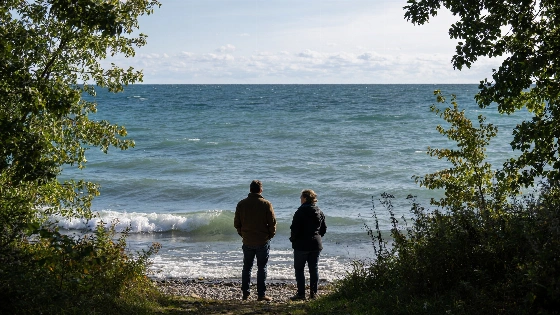
Lake Ontario, known as "oniatarí:io" by the Huron Indigenous people, meaning "lake of shining waters," has held its name since before European settlement. The province of Ontario, Canada's most populous, derives its name from the lake. The waterway is a critical natural resource, forming much of New York's northern border and separating cities such as Buffalo and Toronto.
Ontario is a major trading partner for more than a dozen U.S. states, and the lake itself supports commercial shipping, recreation, and local economies on both sides of the border. The renaming does not affect these activities, but it has drawn attention amid heightened trade tensions and ongoing discussions about U.S.-Canada relations.
International Naming Practices
While the International Hydrographic Organization works to standardize the naming of seas and navigable waters, there is no single global authority for naming international lakes. As a result, naming conventions can differ between countries. The U.S. government's decision to use "Lake America" is limited to federal documents and maps, and does not compel changes by state, local, or international bodies.
Residents and local governments along the U.S. side of the lake may begin to see the new name appear in federal publications and signage, though state and local usage is not mandated. Canadian authorities have indicated they will continue to use "Lake Ontario."
The executive order is part of a broader pattern of symbolic actions by the Trump administration during ongoing trade disputes with Canada. The practical impact for residents and businesses around the lake is expected to be minimal, as the renaming does not affect water usage, border agreements, or cross-border cooperation.