
Drinking Water Quality
4 stories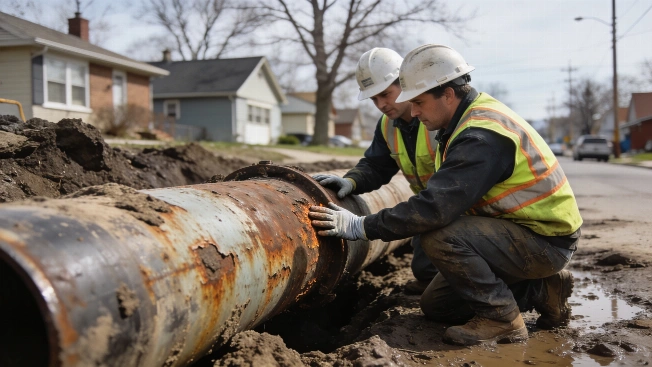
Michigan Faces Twenty Year Water and Sewer Upgrade Funding Gap
A new report says Michigan needs to spend $85 billion on water and sewer systems over the next two decades. Recent main breaks and aging pipes show the urgent need for a statewide funding plan.
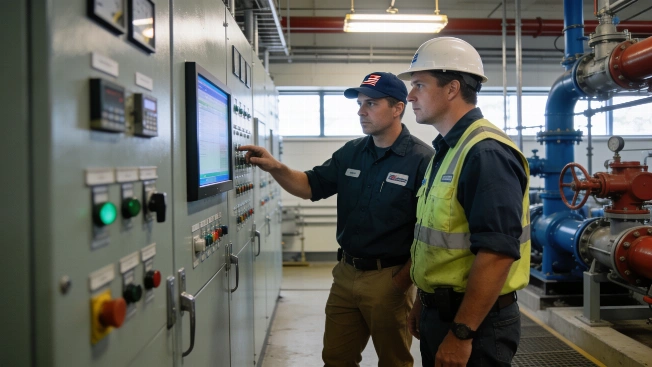
Lawmakers Push New Funding After Cyberattacks on Water Utilities
After cyberattacks linked to Iran targeted water systems in at least seven states, federal and state lawmakers are proposing new funding and oversight to strengthen utility cybersecurity and protect critical infrastructure from future threats.
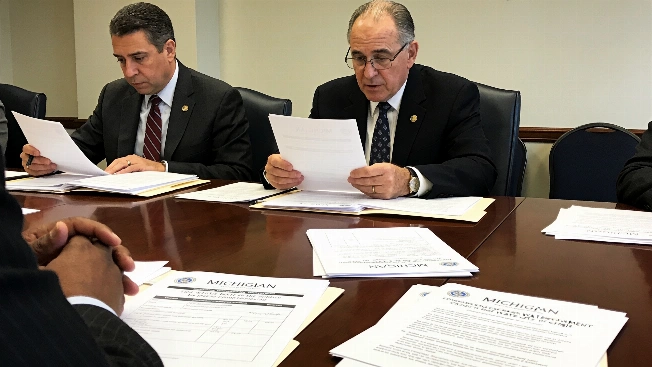
Michigan Attorney General Releases Report on Flint Water Case Failure
A new report from Michigan Attorney General Dana Nessel's office defends its approach to the Flint water crisis prosecution, blaming a Supreme Court ruling for the collapse of criminal charges and leaving many Flint residents unsatisfied
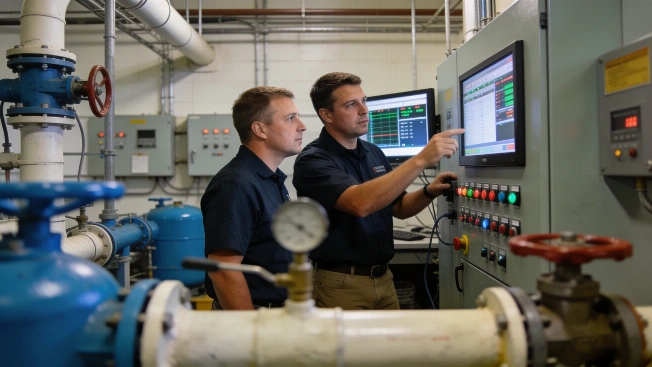
New Water Watch Center Offers Cyber Support for Small Utilities
A new Water Watch Center has launched to help small water utilities defend against cyberattacks, as recent incidents in multiple states raise concerns about threats to local water systems