
Federal Interest Rates
2 storiesFederal Interest Rates refers primarily to Federal Reserve monetary-policy rates and the way those decisions influence borrowing and credit conditions throughout the economy. Changes can move mortgage rates, auto-loan costs, business financing, bank lending and broader demand, even though the Federal Reserve does not directly set every consumer interest rate. The topic matters in Michigan when financing conditions affect households, housing, vehicle purchases or employers. Coverage should distinguish this monetary-policy concept from federal taxation, inflation legislation and the interest rates charged by a particular lender.
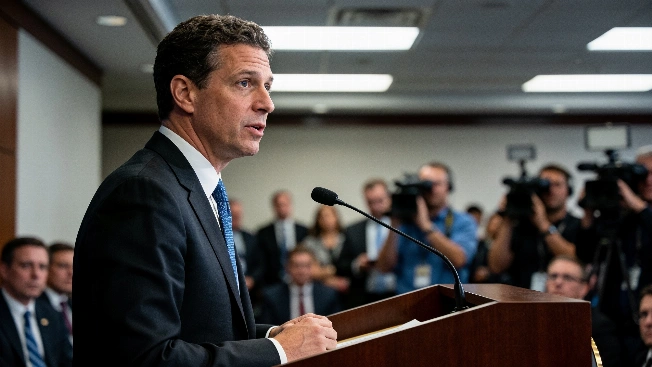
Fed Chair Warsh Warns Interest Rate Hikes May Be Needed to Tame Inflation
Federal Reserve Chair Kevin Warsh signaled that further interest rate increases could be on the table as U.S. inflation remains above the central bank's 2% target, raising questions about the timing and impact of future Fed decisions.

Key Inflation Gauge Stays High as Gas and Service Costs Weigh on Households
A federal inflation measure remained at 3.7% in July, with persistent high prices for services and gas affecting American families. Upcoming changes to how inflation is calculated could lower future readings, but relief remains uncertain.