
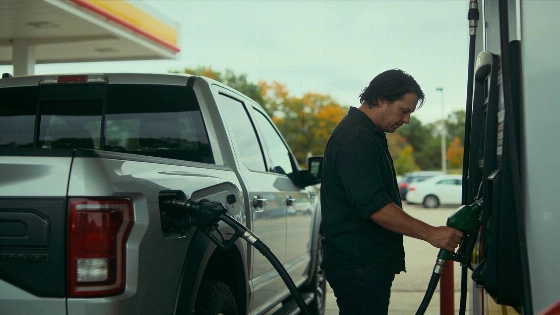
Michigan's average gasoline price reached a 2026 high of $4.93 a gallon on Sept. 21. Metro Detroit residents say they are shortening trips, skipping visits and paying much more to keep their cars on the road.
Gas cost $4.69 a gallon Sunday at a Mobil station on Drake Road and Grand River Avenue in Farmington Hills. That price is changing how far some residents are willing to drive.
Alex Amons of Plymouth said most destinations more than 20 minutes from home are now likely off her list. She can still drive, but shorter trips make more sense. The intersection is within the City of Farmington Hills, whose municipal information and service notices are available through the Farmington Hills city portal.
One station does not set the regional average. Prices can differ sharply between nearby communities, retailers and individual stations, especially during a quick rise in wholesale costs.
Every trip counts.
Eve Hill of Detroit bought 12.07 gallons for $70 Sunday at a Mobil station near Schoolcraft Road and the Southfield Freeway. The 66-year-old said her weekly fuel bill has risen from about $120 to $160. Filling her BMW now costs much more.
Other households are making similar choices. Kathleen Burress of Brighton said higher fuel costs are putting pressure on her monthly finances. She visits her parents in Howell less often. She once made the dinner trip regularly, but now often skips it because she is on long-term disability and has to count every dollar.
A local price snapshot put Detroit's average at $4.91 a gallon after Sept. 15. It fell to $4.69 Sunday. In Novi, unleaded gas at a Speedway on Pontiac Trail and Beck Road was listed at $4.89 a gallon Sunday afternoon.
AAA then reported a broader statewide rise. Michigan's average reached $4.93 a gallon on Sept. 21, a new high for 2026. Metro Detroit averaged $4.92, up 62 cents from the prior week and $1.73 from a year earlier.
AAA's Sept. 21 national average was about $4.80 a gallon, below Michigan's figure. Prices varied widely across the state. The average reached $4.97 in Ann Arbor and $4.95 in both Lansing and Jackson. Individual Detroit stations were reported as high as $6.09. Michigan's lowest reported price that day was $4.19.
Additional reporting put the statewide average near $4.88 to $4.91 on Sept. 22. Prices were still high after the initial jump.
Michigan and U.S. gas prices stood at about $3 a gallon at the end of January. An earlier account of the surge linked it to geopolitical conflict, disruption around the Strait of Hormuz and pressure on global oil supplies. Those claims describe market conditions, not a local decision. Retail prices can also reflect refinery operations, transportation costs, seasonal demand and Michigan's fuel-market structure.
Patrick De Haan of GasBuddy linked the recent highs for gasoline and diesel to several international developments. They included strikes on Russian oil refineries, attacks by Yemen's Tehran-backed Houthis and renewed U.S.-Iran fighting in the Persian Gulf.
GasBuddy also reported refinery disruptions in the Great Lakes region. They helped push prices up by more than 30 cents a gallon in Michigan, Indiana, Illinois, Ohio and Wisconsin during the week.
The statewide average remains the year's highest outside the first half of May. That matters to drivers because a small decline does not erase the jump from the roughly $3 level seen at the start of the year.
The drop is small.
De Haan said prices in Michigan, Ohio, Indiana and Illinois were slightly lower Sunday after an outage at an ExxonMobil refinery in Joliet, Illinois. He has also said prices could fall in the autumn as seasonal travel slows after summer. The timing and size of any decline remain uncertain.
That relief has not reached households that already changed their routines. Amons said drivers cannot simply stop using their cars. Burress has cut out trips to Howell. Hill is paying about one-third more each week for fuel than she previously budgeted.
The Farmington Public Schools district and other local public agencies operate in a community where many households travel between Farmington, Farmington Hills, neighboring cities and regional job centers.
The City of Farmington, the City of Farmington Hills and Oakland County provide public information about local services. None can control the wholesale or statewide forces that drive gasoline prices.
The figures explain why a small change in the statewide or regional average may not feel like relief at home. A Detroit driver paying $4.69 a gallon still pays far more than at the end of January. The difference grows with every commute, errand and family visit.
Michigan drivers can consult information from the State of Michigan when reviewing fuel-related consumer guidance. Station prices can change often. Comparing nearby stations, combining errands and cutting unnecessary trips may lower household costs. Those choices are harder for people who commute long distances or lack reliable public transportation.
Metro Detroit residents are cutting distance and frequency where they can. Until prices fall much further, the result is more than a higher receipt at the pump. Everyday life covers less ground for drivers who still have no realistic way to stop driving.