A new urban deer survey will run from September 1 to November 1, 2026, as Farmington Hills and other Southeast Michigan communities seek data to address rising deer-related accidents, property damage, and health risks
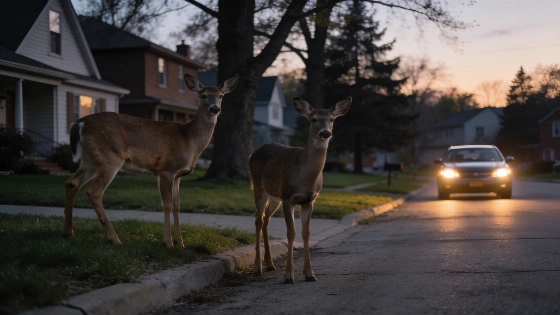
Rising deer populations are no longer just a rural concern in Southeast Michigan. This fall, Farmington Hills will join a new regional survey aimed at measuring the impact of urban deer, as local governments respond to a surge in vehicle collisions, property damage, and public health concerns tied to deer overpopulation.
Residents across Farmington Hills and neighboring communities have reported more frequent deer sightings-and not always in ways that inspire delight. The increase has brought a spike in car accidents and a growing risk of Lyme Disease, prompting city officials to seek more precise data before considering new management strategies.
Survey Details and Community Involvement
The 2026 Deer Management Pulse of the Region Study, organized by the Southeast Michigan Urban Deer Coalition in partnership with the Southeast Michigan Council of Governments (SEMCOG), will open for public input from September 1 through November 1, 2026. Residents can participate by completing the survey online, providing firsthand accounts of deer encounters, property impacts, and safety concerns. The survey is available at https://www.cobaltcommunityresearch.org/deer.html.
Officials say the data will help shape future policies, including possible changes to local ordinances, public education campaigns, and targeted management efforts. The last regional survey was conducted in 2022, but recent statewide data revealed the need for more localized information specific to Southeast Michigan's urban and suburban neighborhoods.
Why the Survey Matters Now
Deer-related vehicle crashes have increased in several Oakland County communities, including Farmington Hills, according to local reports. Property owners have also cited damage to landscaping and gardens, while public health officials warn that higher deer densities can contribute to the spread of tick-borne illnesses such as Lyme Disease. Balancing the enjoyment some residents find in seeing deer with the risks and costs they bring has become a pressing issue for city leaders.
The Southeast Michigan Urban Deer Coalition, which began as a collaboration among seven counties more than five years ago, expanded its efforts in 2024 after new data highlighted the region's unique challenges. The coalition's goal is to coordinate responses and share best practices, but officials stress that effective management depends on accurate, up-to-date information from residents themselves.
Regional Context and Next Steps
Farmington Hills is one of several cities participating in the coalition's latest survey push. The Southeast Michigan Council of Governments is supporting the effort to ensure that data reflects the diversity of neighborhoods, traffic patterns, and ecological conditions across the region. Once the survey closes in November 2026, results will be analyzed to guide future decisions on deer management, safety measures, and public outreach.
For residents, the survey offers a direct way to influence how local governments address the deer issue. City officials encourage participation from all neighborhoods, emphasizing that a broad response will lead to more effective solutions tailored to local needs.
Managing urban deer is no longer a theoretical debate for Farmington Hills-it's a practical challenge with real costs and risks. The city's decision to join the regional survey signals a shift from anecdotal complaints to data-driven action. Whether this leads to new policies or targeted interventions will depend on the willingness of residents to share their experiences and the ability of local leaders to translate survey results into meaningful change. For now, the message is clear: the future of deer management in Farmington Hills will be shaped by those who speak up this fall.